
JAPAN · TOKYO · CHUO
Hotel Horidome Villa
Hotel Horidome Villa
For an itinerary focused on Nihonbashi, Ningyocho and the Hibiya subway line, with most days spent outdoors, I would consider Hotel Horidome Villa as a simple base. Two subway stations are within walking distance. The compromises are limited luggage space in small rooms and noise, cleaning and equipment that do not feel the same in every room. If both travelers have large suitcases, compare the larger rooms first rather than just checking whether the bed sleeps two.
Trade-offs Stations and Elevators Local Walks Rooms and Bathrooms Guest Photos Facilities Breakfast Longer Stays Verdict
The advantages and limitations to weigh first
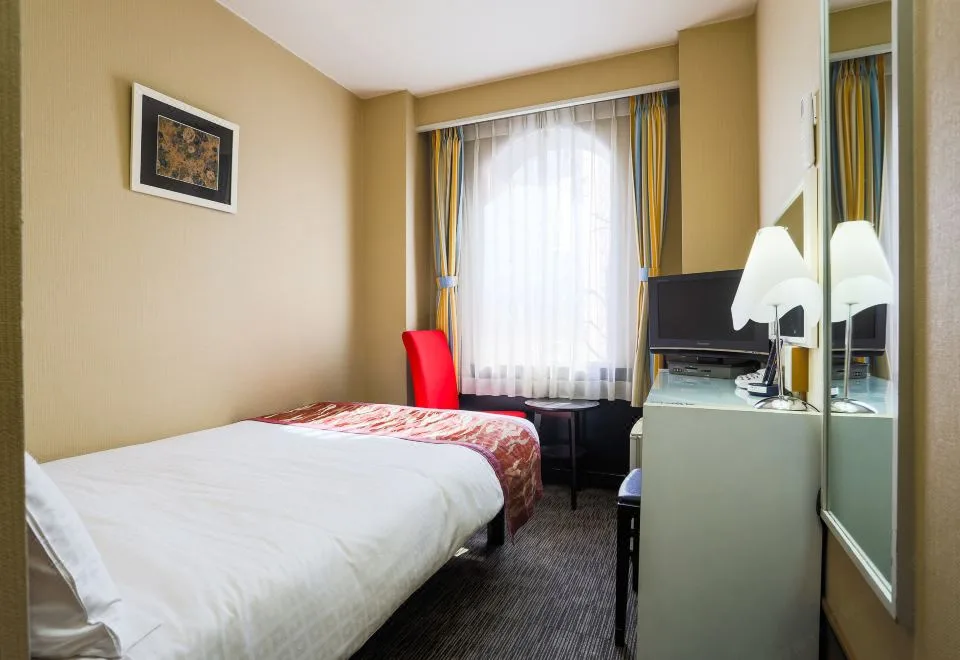
Use this hotel for exploring the neighborhood and coming back to shower and sleep, not for a day built around hotel dining or major shared facilities. Photos show narrow desks, passages at the end of the bed and compact all-in-one bathrooms. It may work for one person, but unpacking at the same time as a second traveler feels different.
My ranking is simple: first which stations the itinerary centres on, then how many suitcases, and only then the price. This hotel pays off when the days centre on Nihonbashi, Ningyocho and the Hibiya Line and most hours are spent outdoors; if the trip keeps crossing to Shinjuku, Shibuya or Odaiba, the daily transfers eat most of the location advantage.
- Why consider it: Kodenmacho and Ningyocho stations are both accessible for Nihonbashi walks and subway journeys.
- Room choices: In addition to small doubles, booking platforms list twin and double rooms around 17 m².
- Accept the compromise: In an 11 m² room, a double bed photo alone does not show whether two big suitcases can be opened.
- Ask ahead: Soundproofing, cleaning and equipment vary from room to room. If you need natural light or reliable video calls, ask about windows and Wi-Fi first.
Both Kodenmacho and Ningyocho work; plan elevator routes for luggage
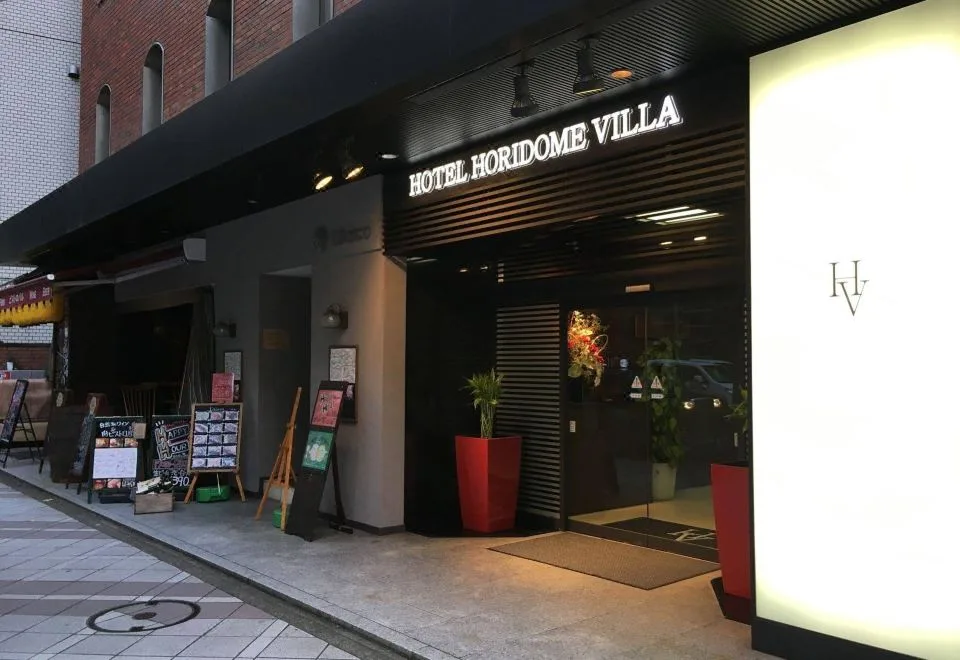
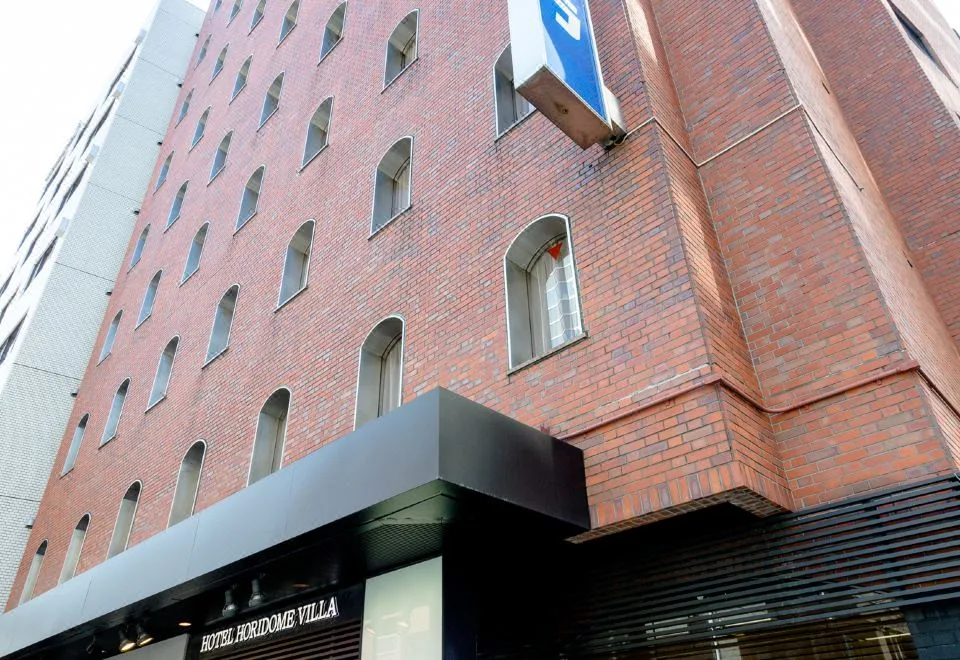
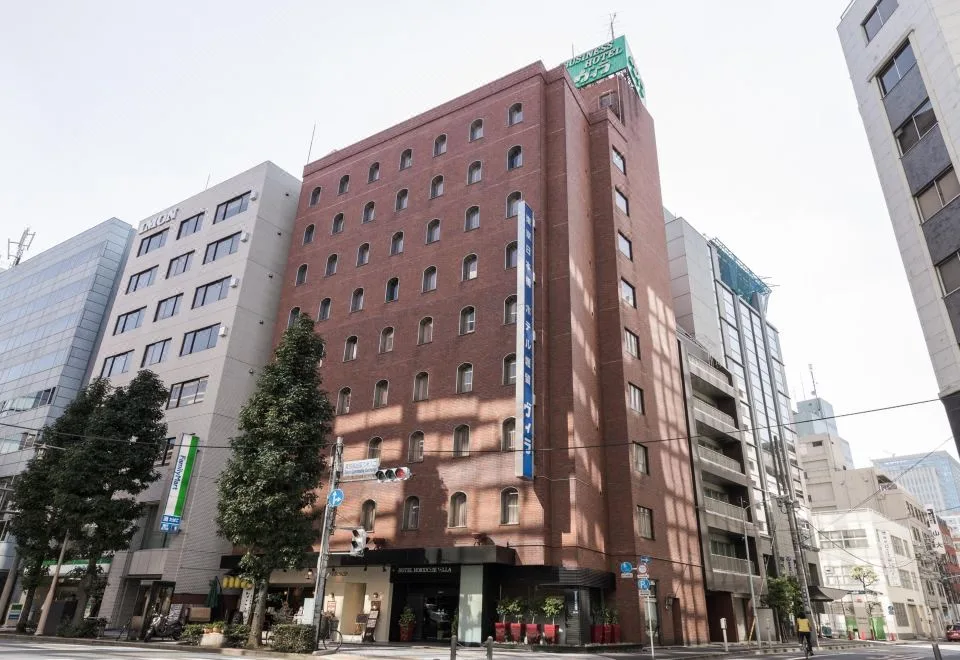
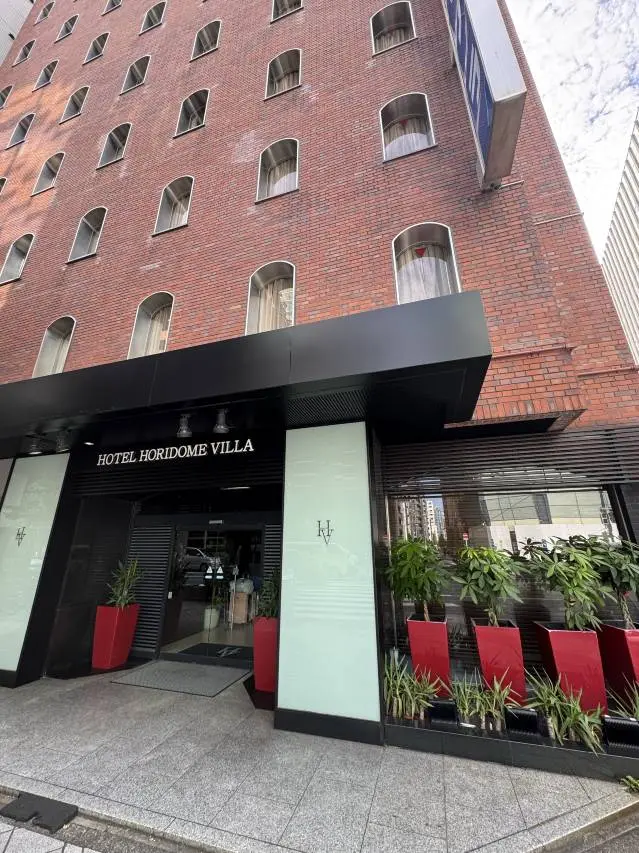
The hotel is at 1-10-10 Nihonbashihoridomecho, roughly three minutes on foot from Kodenmacho and four from Ningyocho. Both help with Nihonbashi sightseeing, but allow extra time for station exits and crossings with a suitcase.
With large luggage, a wheelchair, or a stroller, do not use exits 1–4: every numbered exit at Kodenmacho is stairs-only, and the station has no escalators. Use the elevator-only exits instead — one serves Platform 1 (Nakameguro-bound, toward Chiyoda Shrine) and one serves Platform 2 (Kita-Senju-bound, by Jisshi Park). From either elevator exit, walk south along Suitengu-dori, cross Edo-dori at the Kodenmacho intersection, and continue south for about three minutes to the hotel. Without heavy luggage, Exit 3 is the closest, about three minutes on foot.
Ningyocho Station also works, about four minutes on foot, but use Kodenmacho as the main route: its elevator path is the simplest, and the exit already faces the hotel.
Nihonbashi and Ningyocho walks suit this location better than rushing across town
Restaurants and convenience stores are nearby. A half-day walk toward Ningyocho and the Nihonbashi Mitsukoshi area suits the quieter everyday character of the neighborhood.
Daily life around the hotel is straightforward: convenience stores and small places like Yoshinoya are right downstairs, Nihonbashi is about 670 metres to the east, JR Bakurocho Station about 620 metres to the west, Hamacho Station about 1 km, and Akihabara Electric Town about 1.5 km. That distance makes it easy to browse the electronics shops in the morning, drop bags at the hotel, and head out again. Ningyocho has plenty of old shops to wander before dinner, and the Mitsukoshi food hall in Nihonbashi is good for bread and fruit for the next morning, straight into the room fridge. The Yoshinoya downstairs has a Chinese ordering machine, so you can order what you want without Japanese.
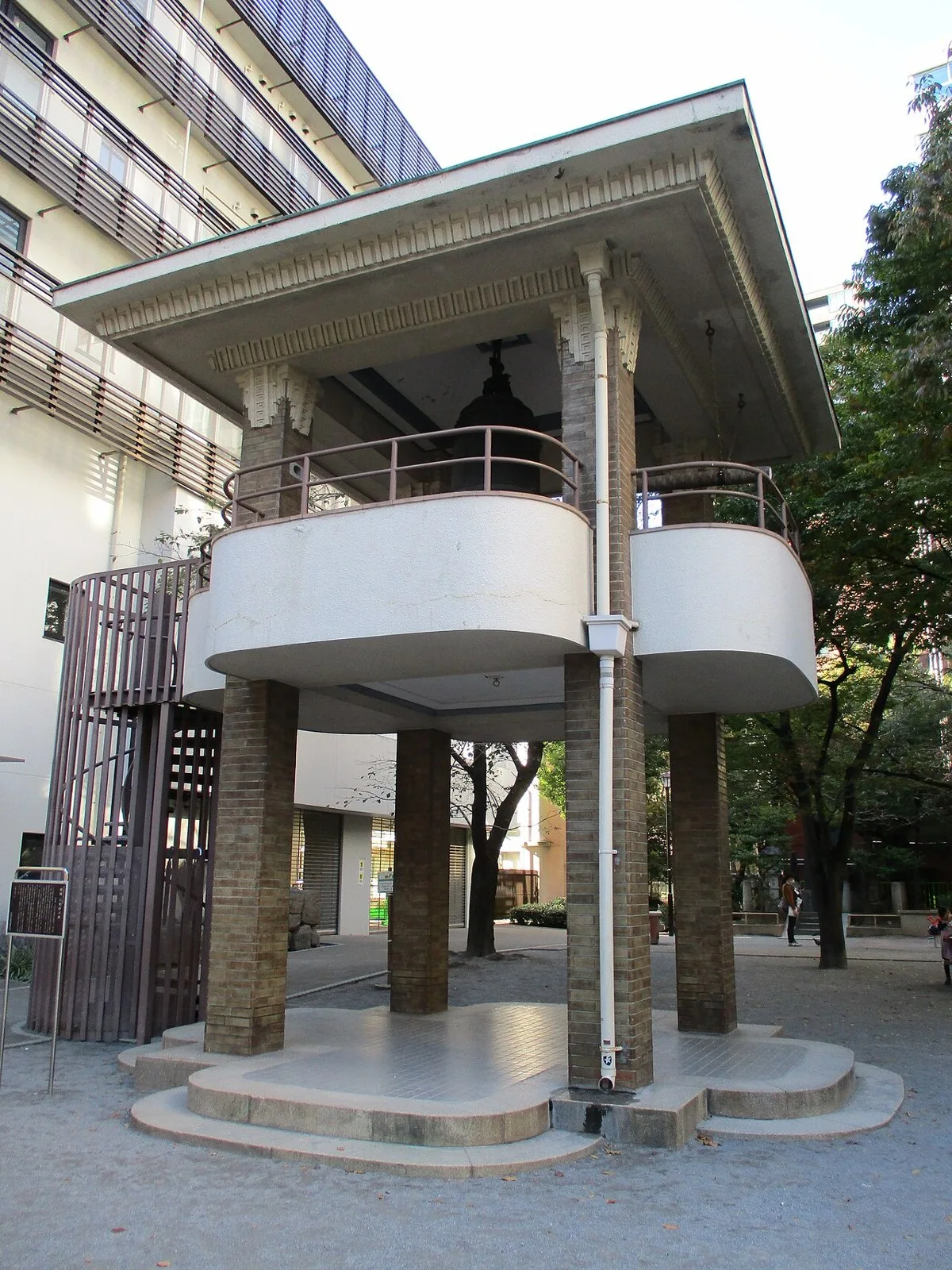
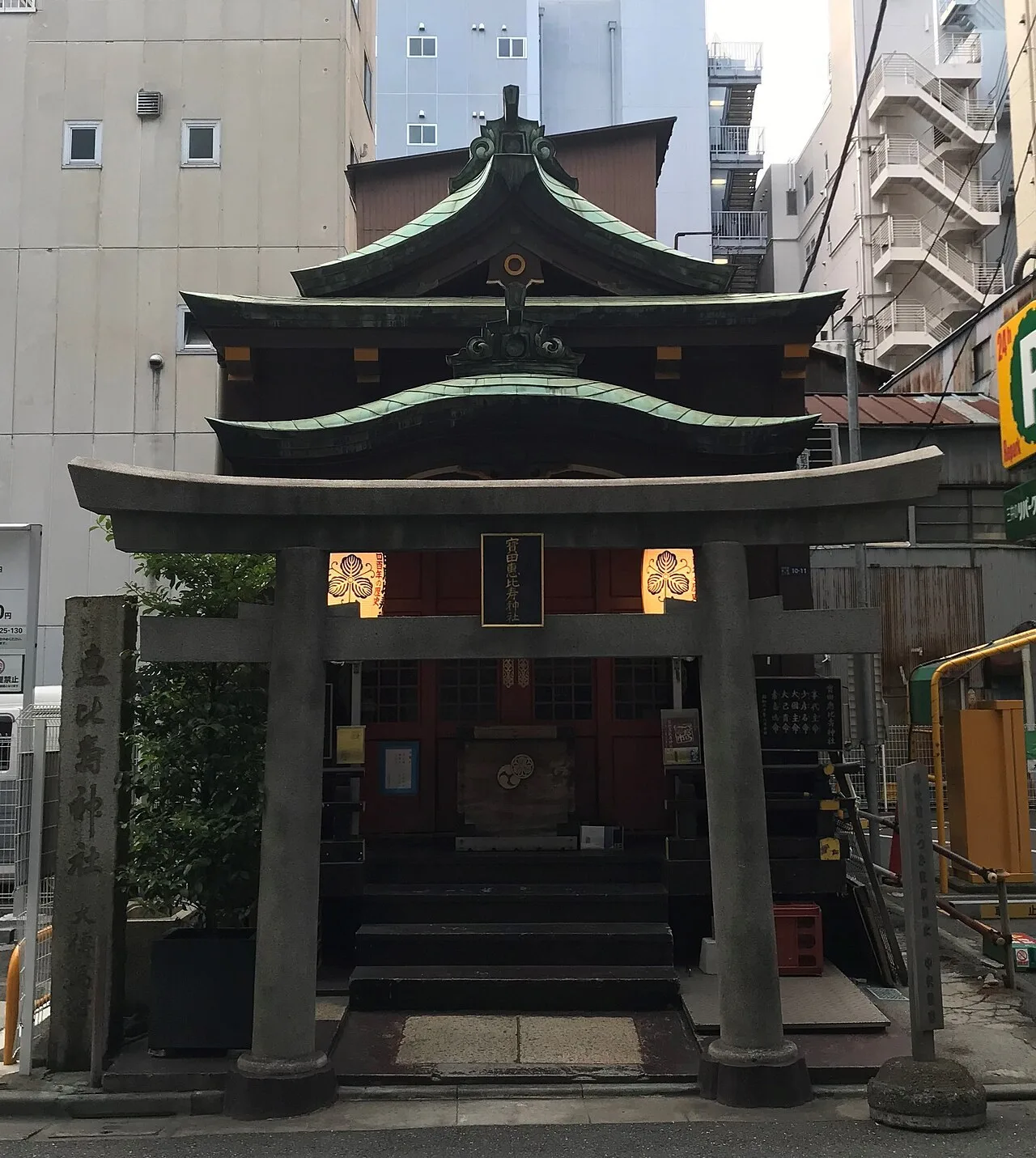
If you have half a day free, try Jisshi Park and Kodenmacho’s Edo history (Chinese guide) or a Ningyocho walking route (Chinese guide). Allow time for breakfast and breaks. The neighborhood photos below document attractions, not views from a hotel room.
11 m² for one guest or about 17 m² for two: compare space beyond the bed
Compare the small 11 m² rooms with the roughly 17 m² twin and double options, then ask about beds and windows. If a bright room matters, request it before booking instead of assuming your room will have the window shown in a photo.
| Room type | Area and bed type | How to choose |
|---|---|---|
| Single Room | About 11 m²; one single bed | For a short solo stay, see whether luggage fits beside the bed. |
| Small Double | About 11 m²; one small double bed | Two light packers could manage; large cases make movement important. |
| Twin Room | About 17 m²; two single beds | For separate beds and more usable floor space. |
| Double Room | About 17 m²; one double bed | For one shared bed without choosing the smallest room. |
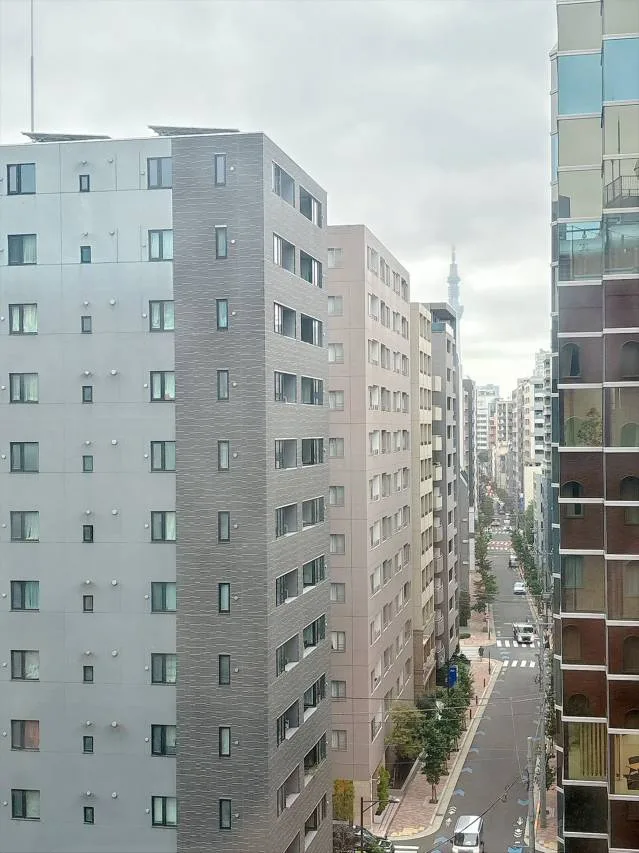
A higher-floor room facing west can catch a glimpse of Tokyo Tower when the curtains open; Treat that as a bonus, not a booking condition. Some rooms have windows that do not open and rely on central air conditioning, so if stuffiness bothers you, ask whether the window opens before booking. The door uses a key, not a card, so keep it with you when you go out. There is a TV with plenty of channels for an evening in; some rooms are quiet at night while others let sound through, so how well you sleep depends on the room you get.
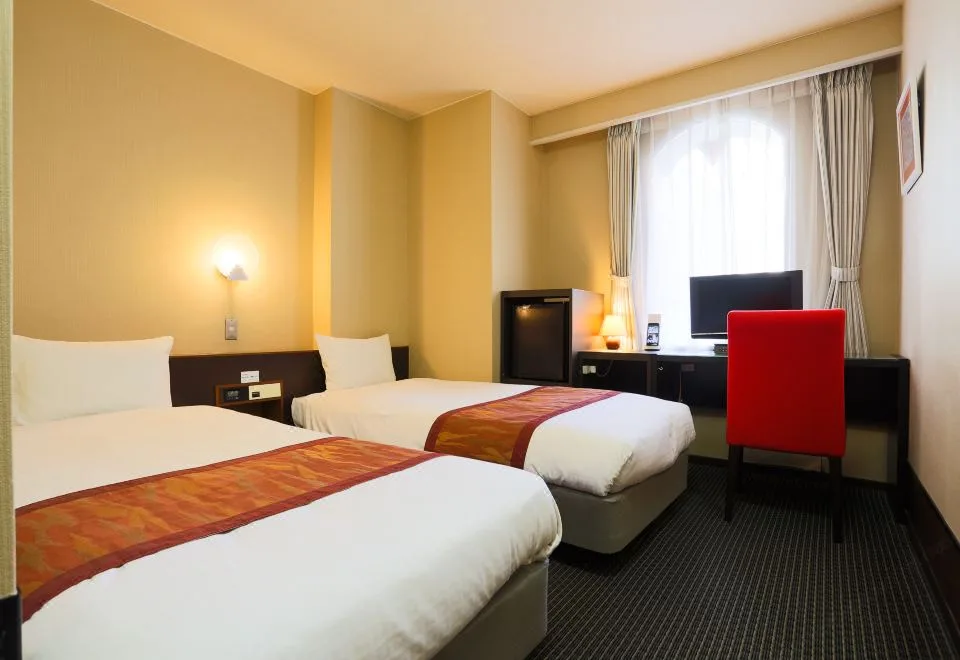
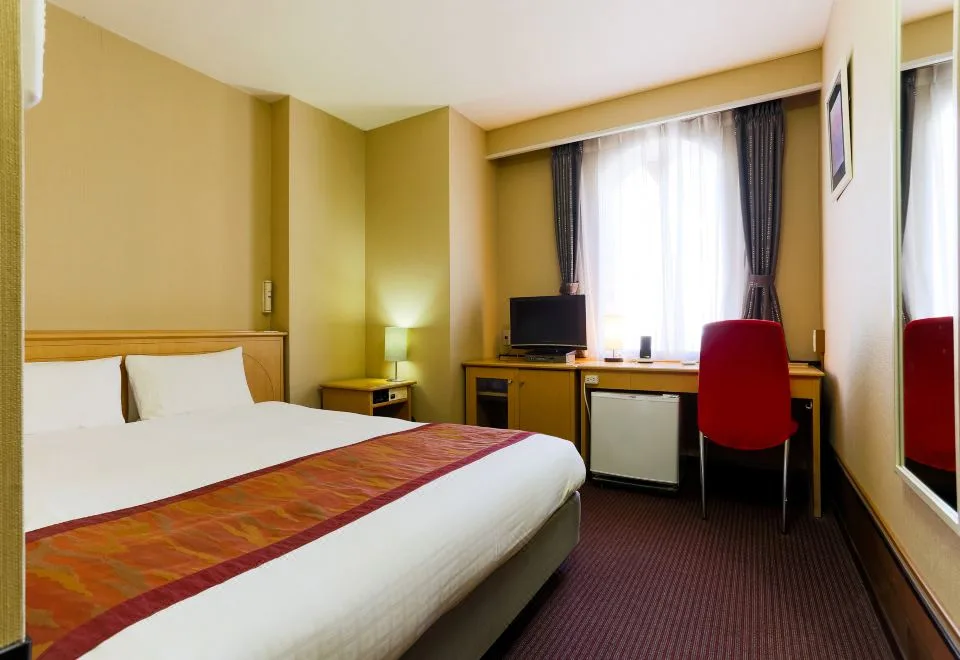
Use room photos to judge desk, bed and suitcase passages
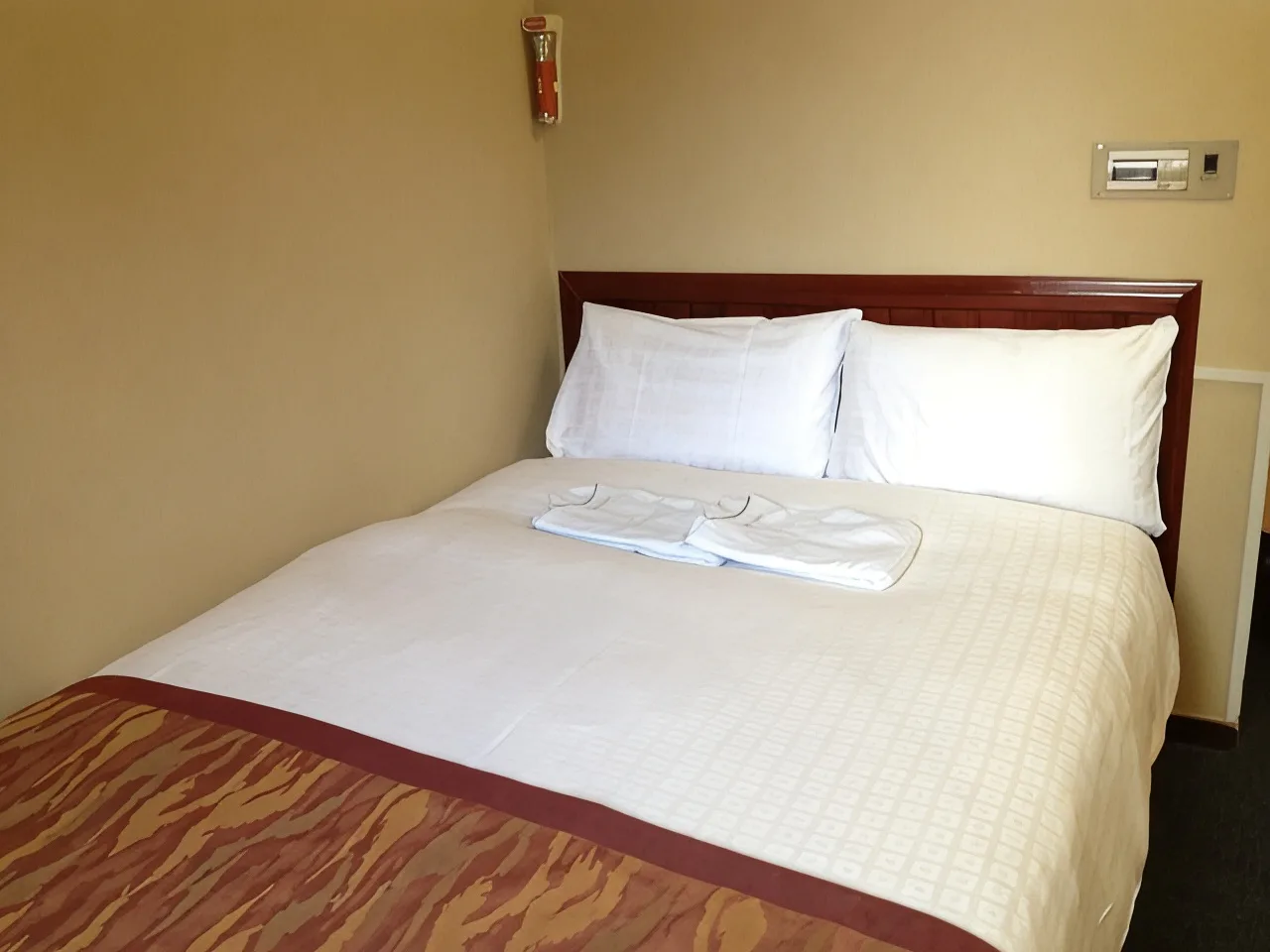
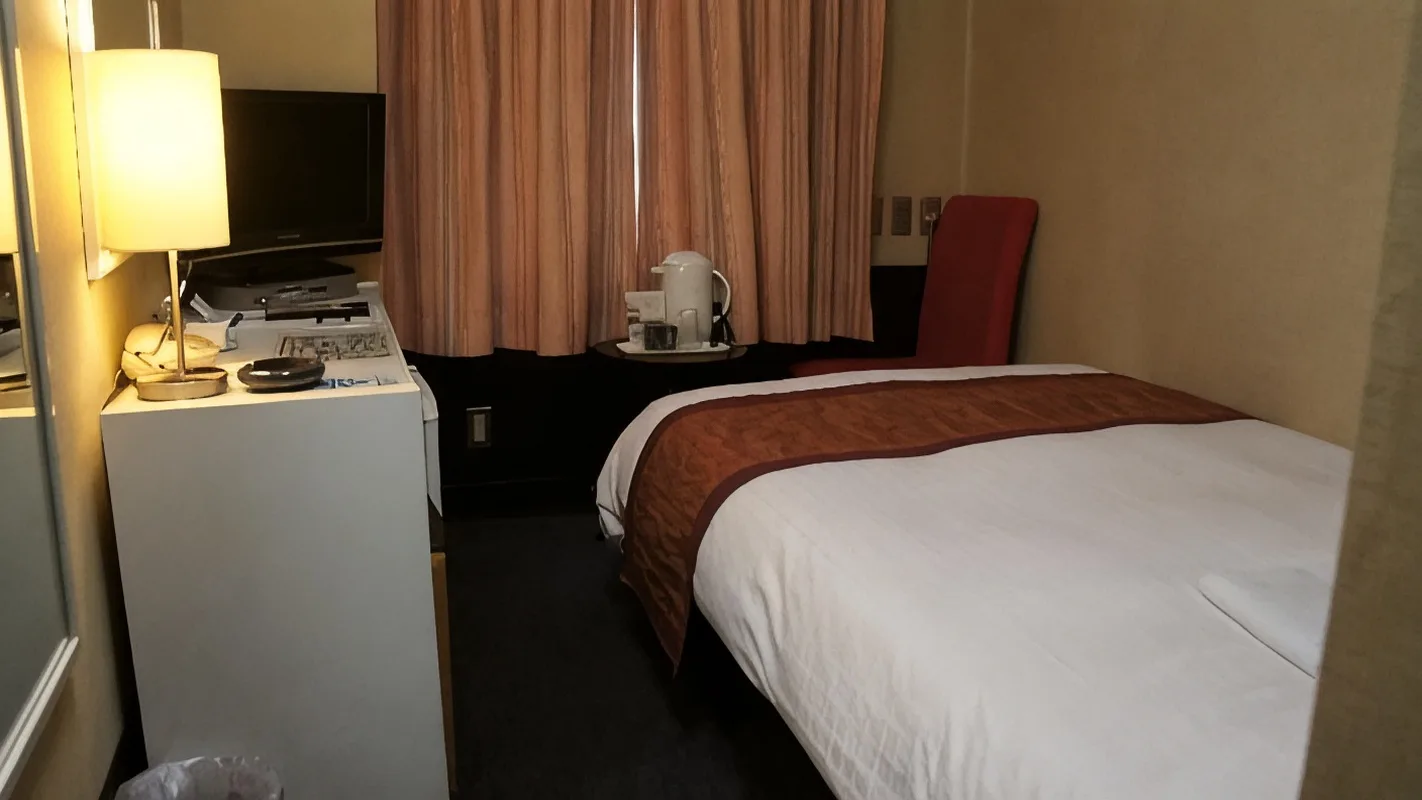
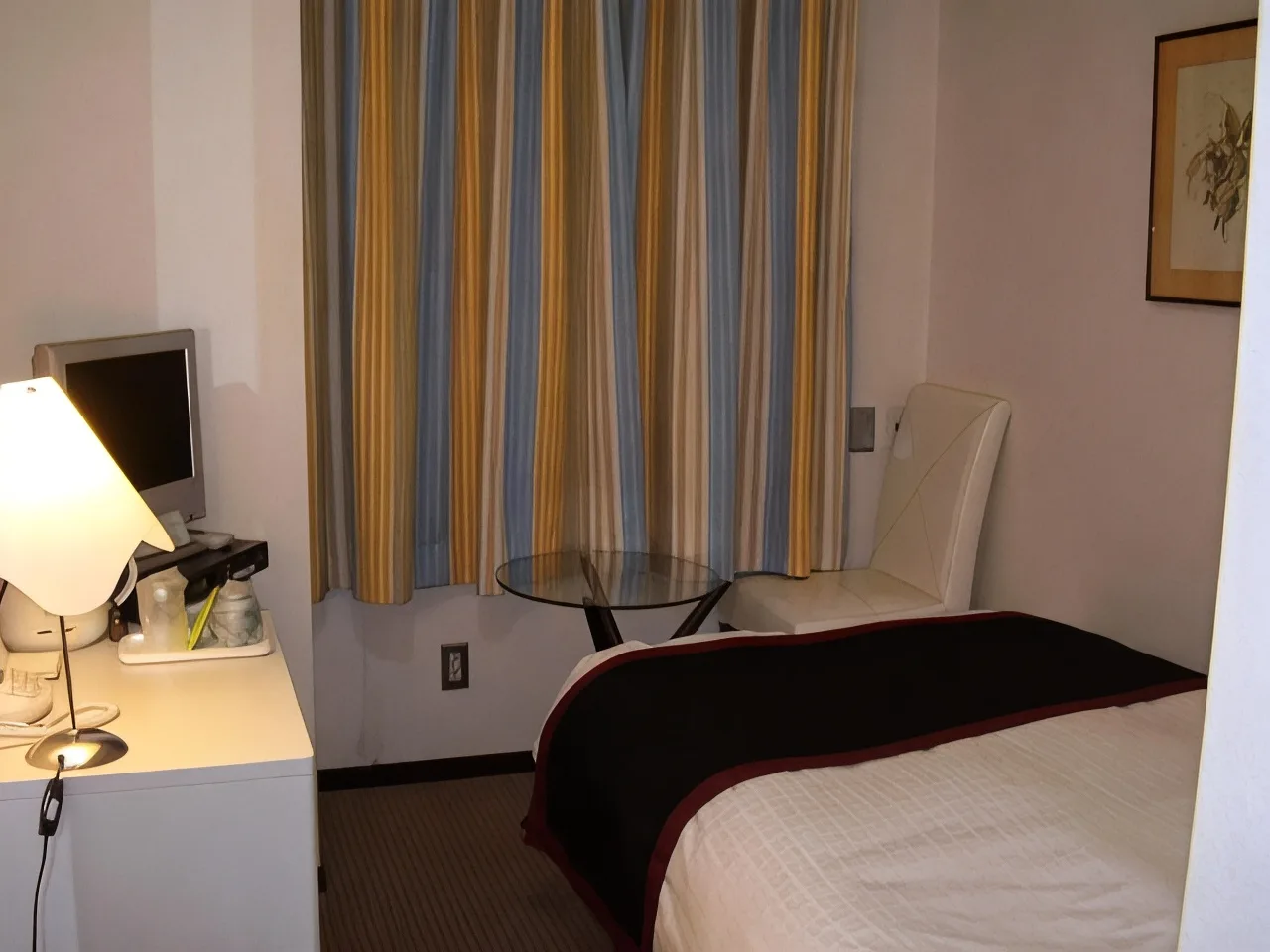
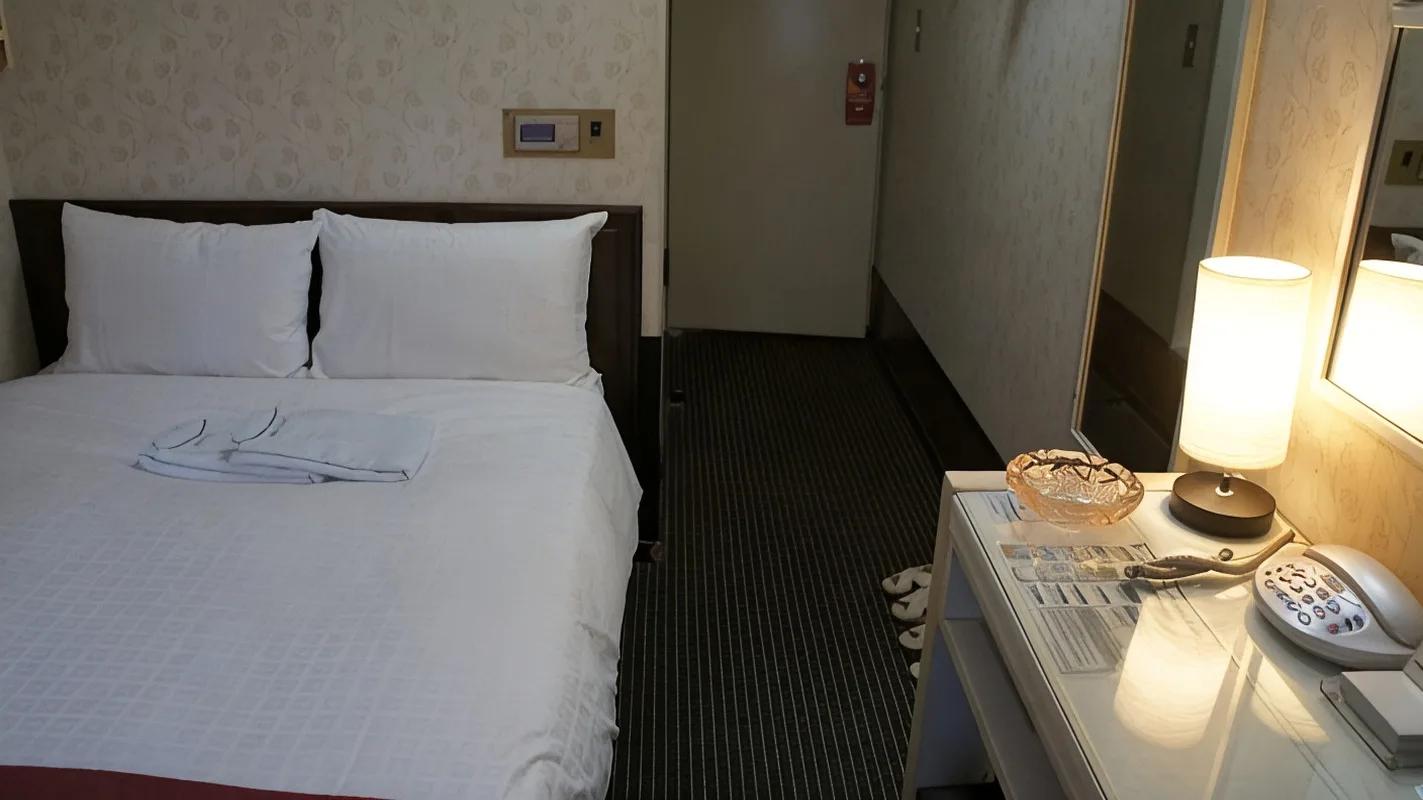
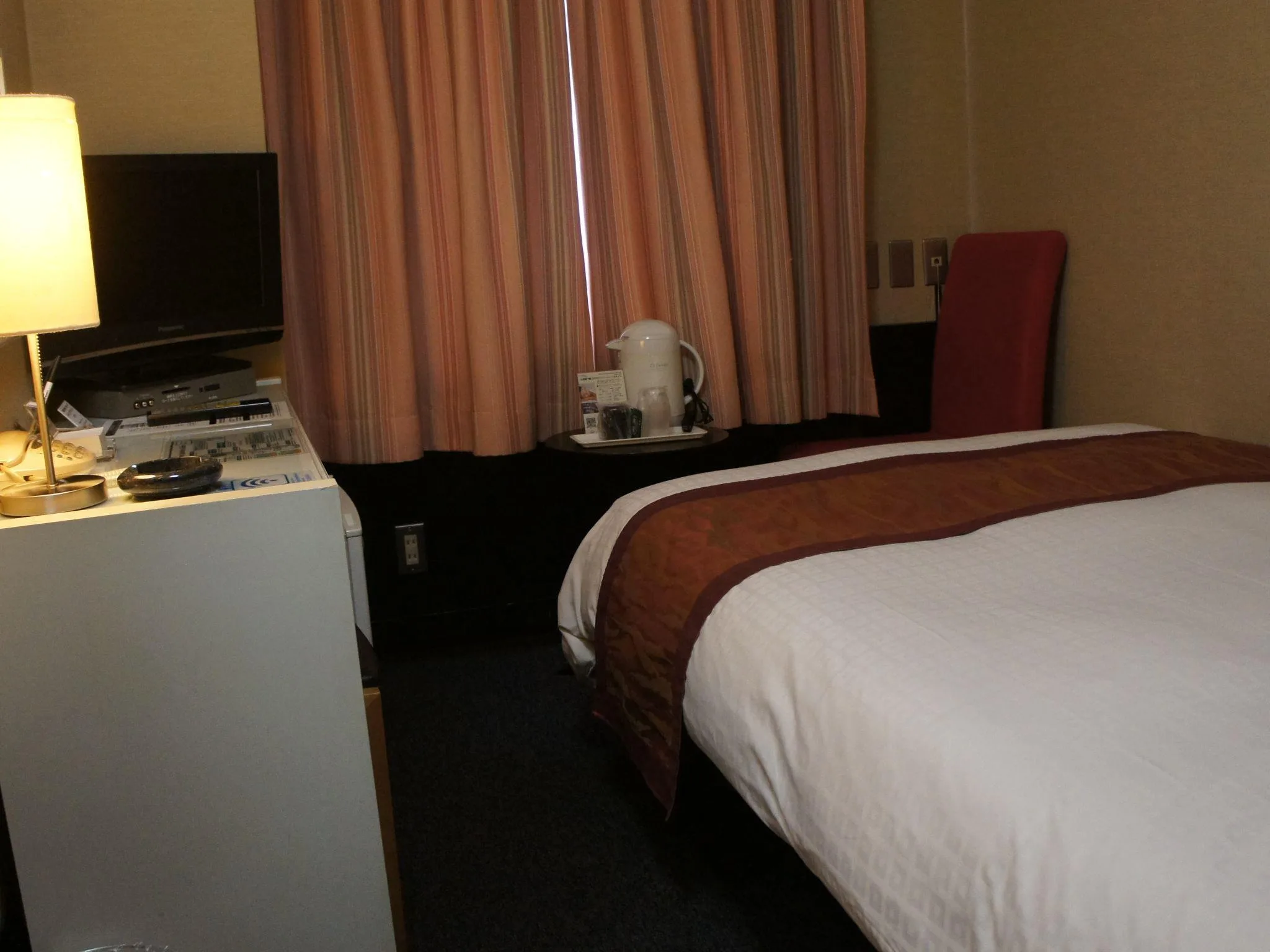
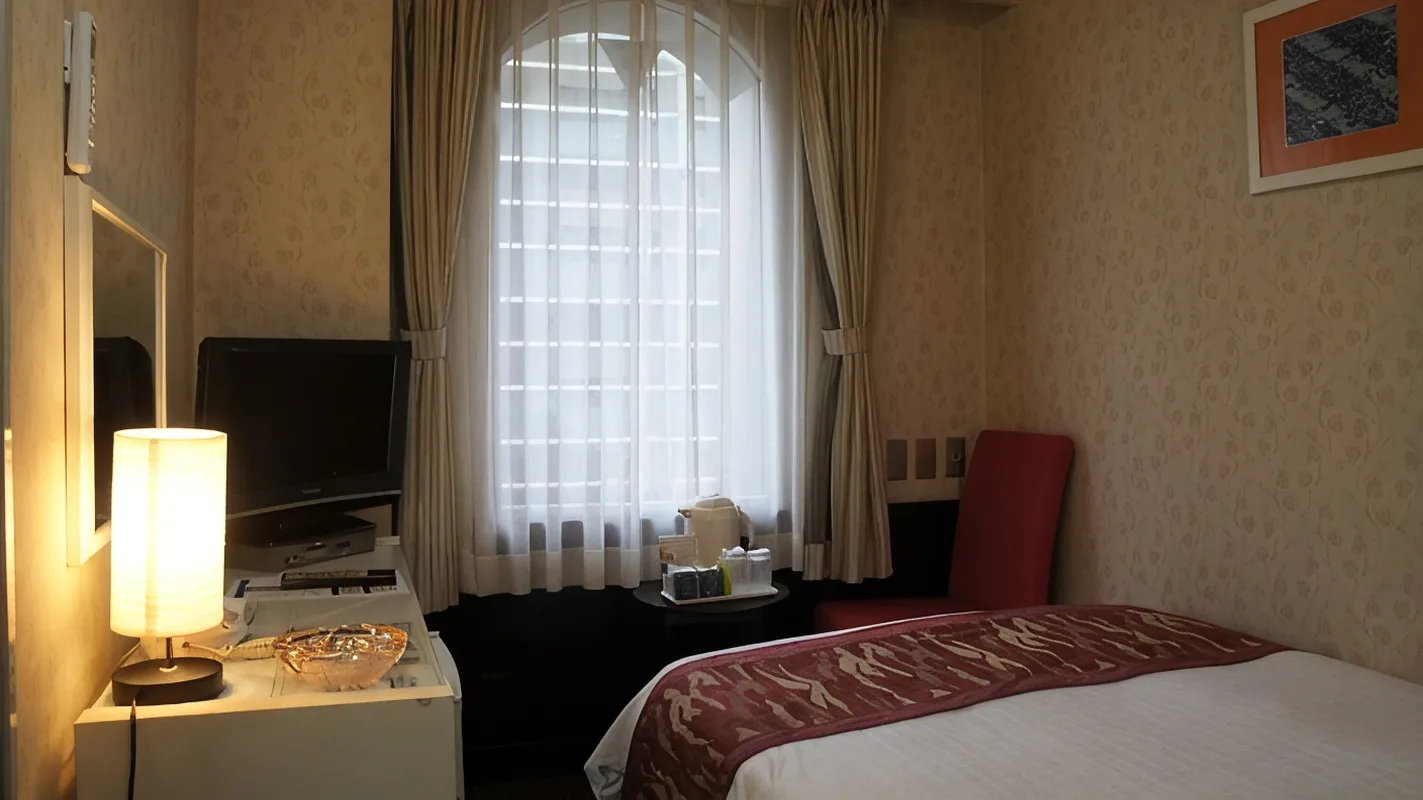
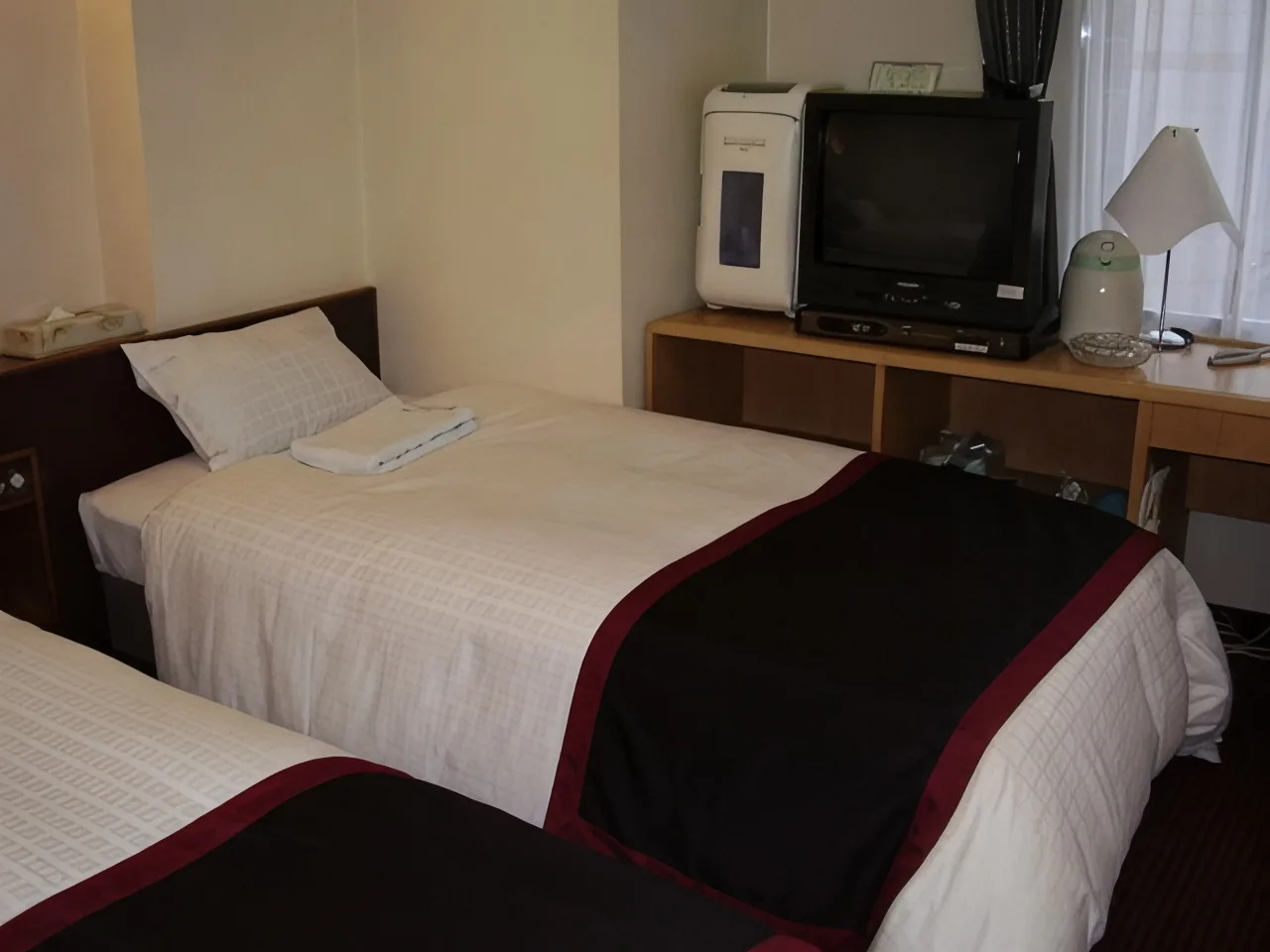
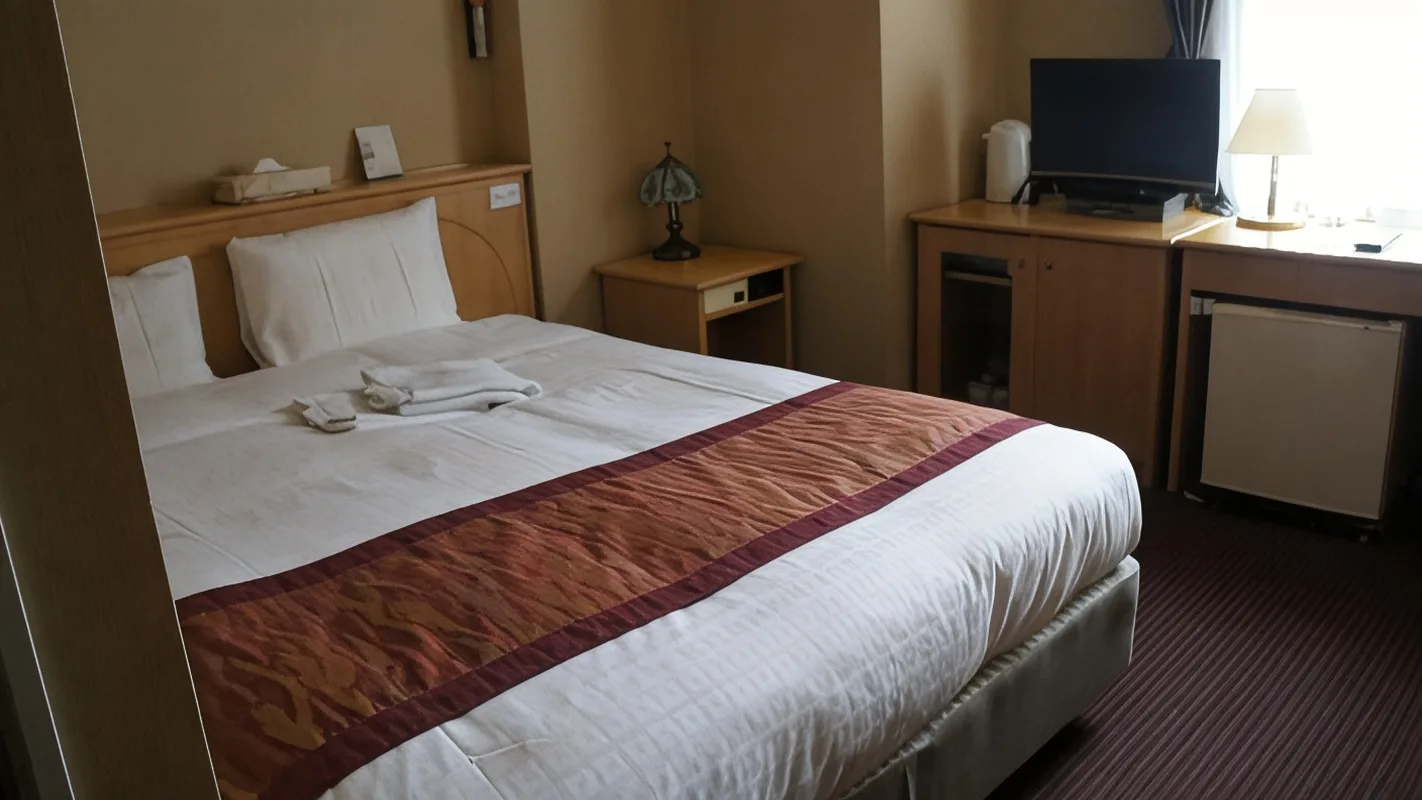
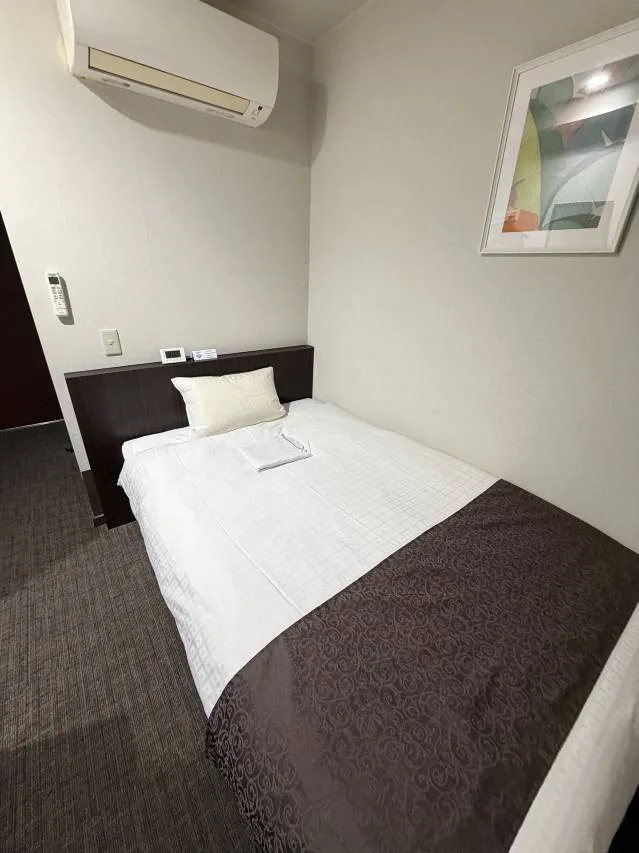
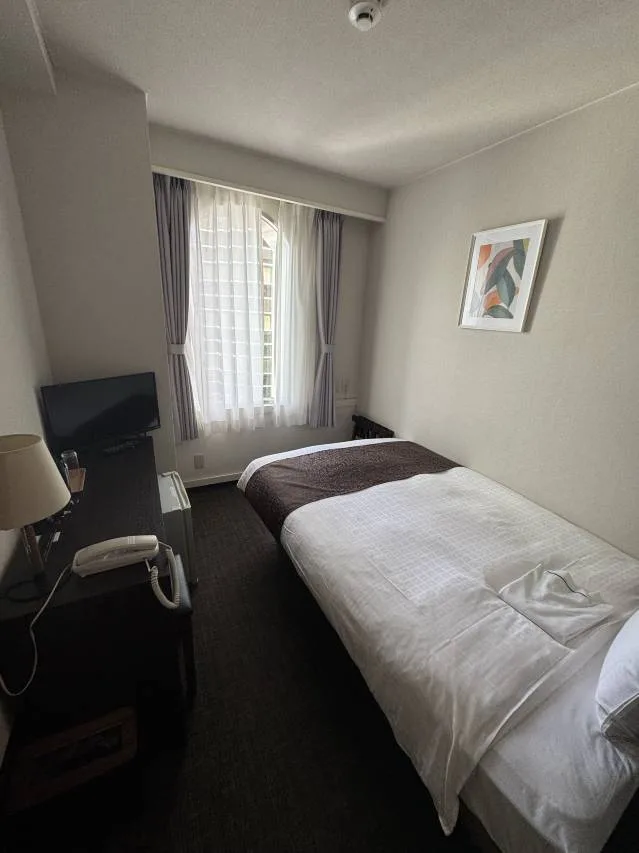
For me, the clear passage after pulling out a chair matters more on a longer stay than the decorating style. In smaller rooms, the desk, fridge and chair sit very close to the bed. Two people may need to take turns unpacking. Photos show furniture and devices from different periods, so I use them to judge layouts only.
Compact bathrooms put the tub, basin and toilet together
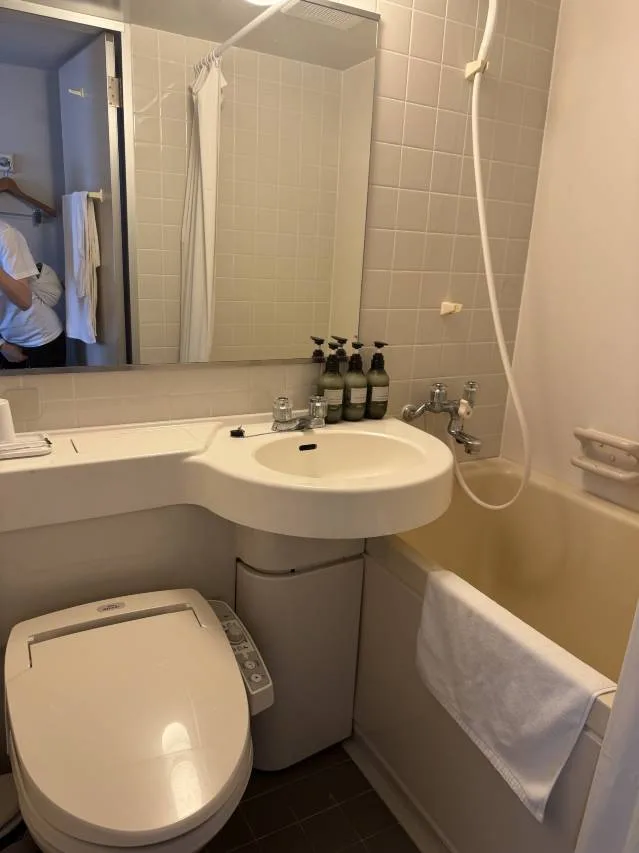
The room photos show a combined bathtub and shower area with the sink and toilet close by. It works for a basic wash, but if both travelers want to get ready at once or prefer a spacious bathroom, ask about the actual room’s bathroom and thresholds.
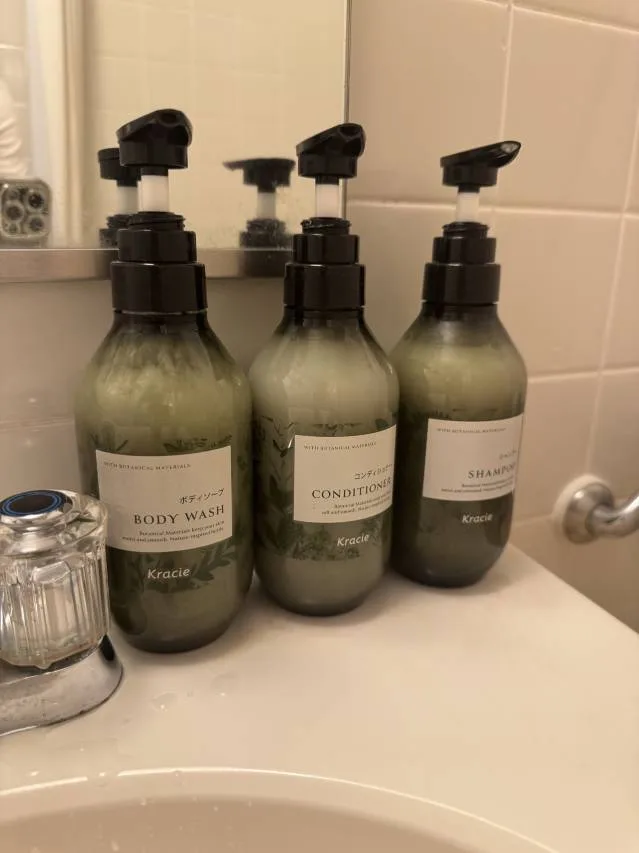
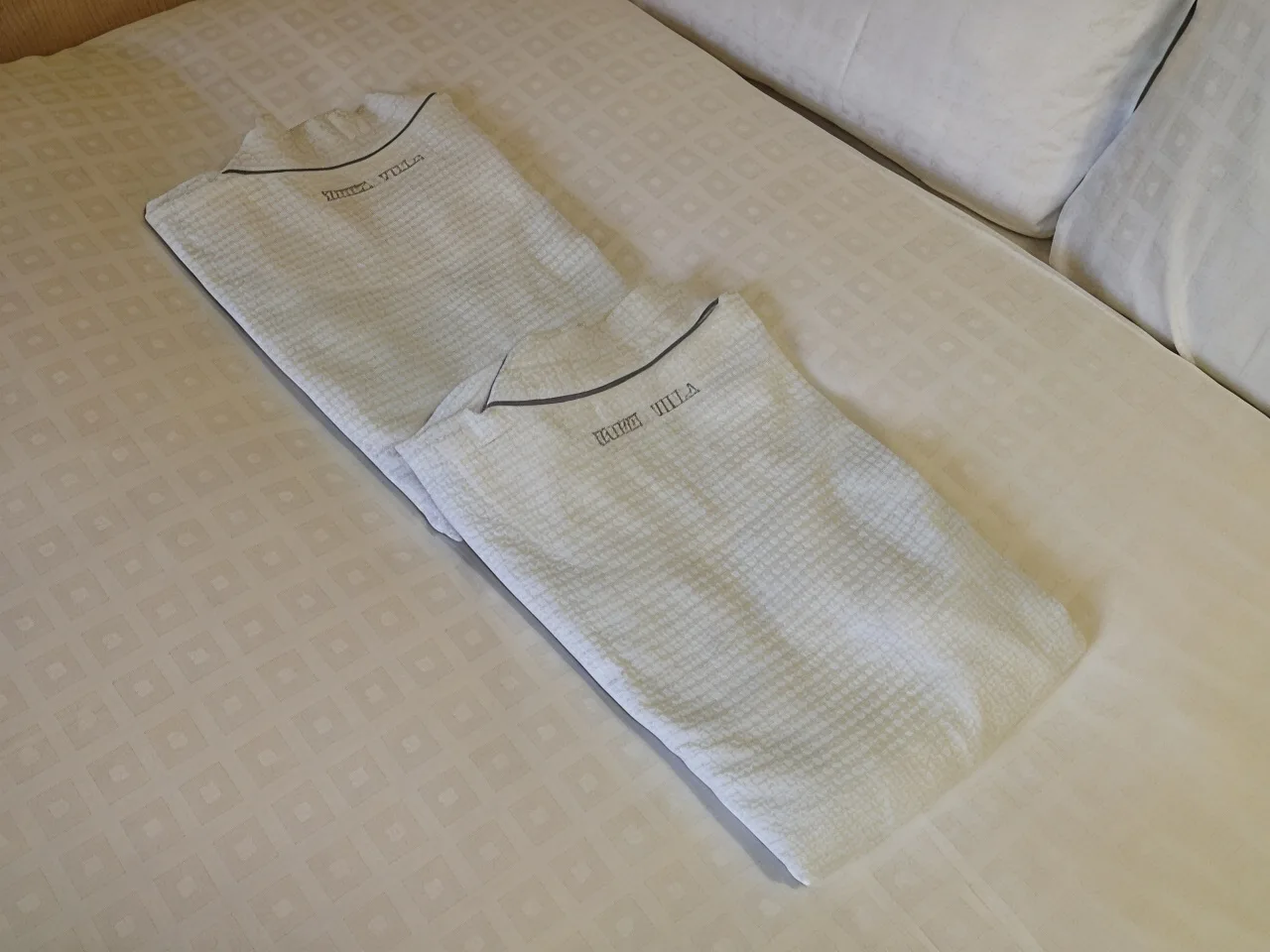
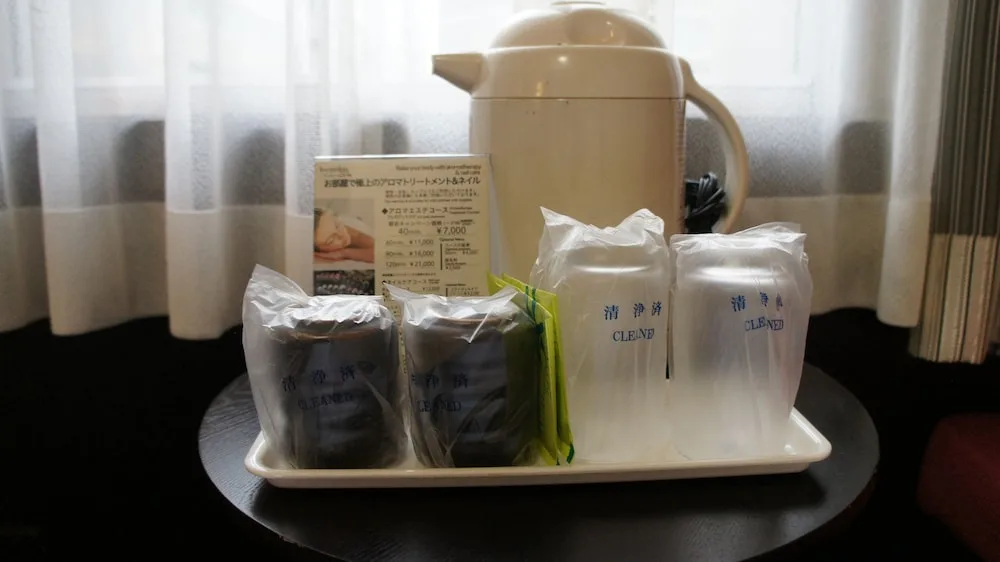
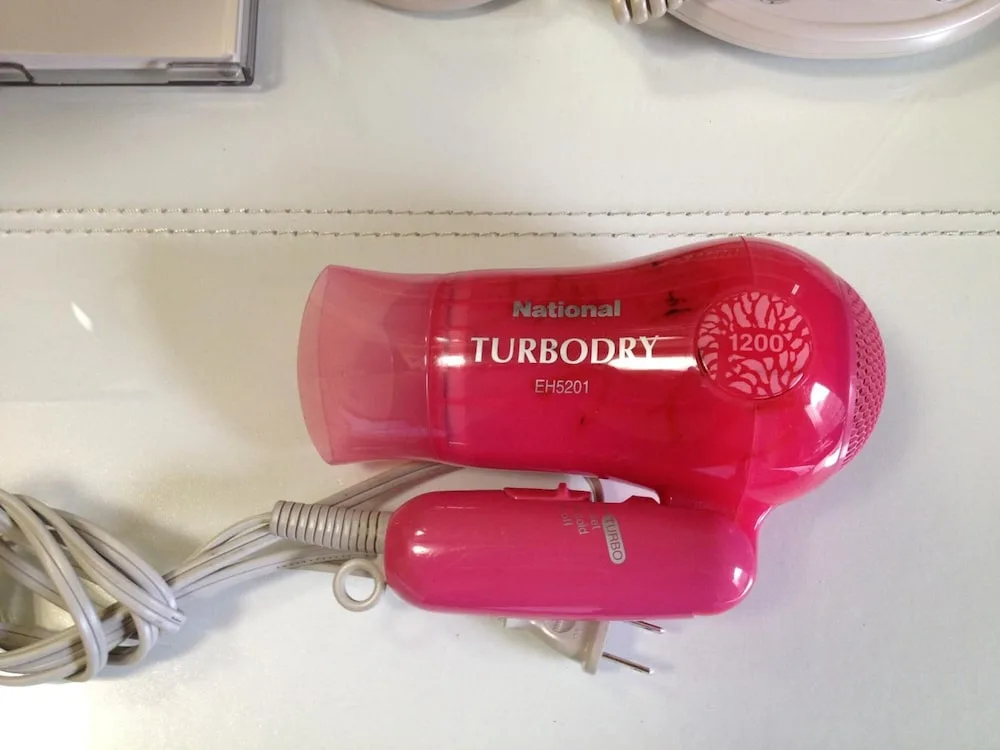
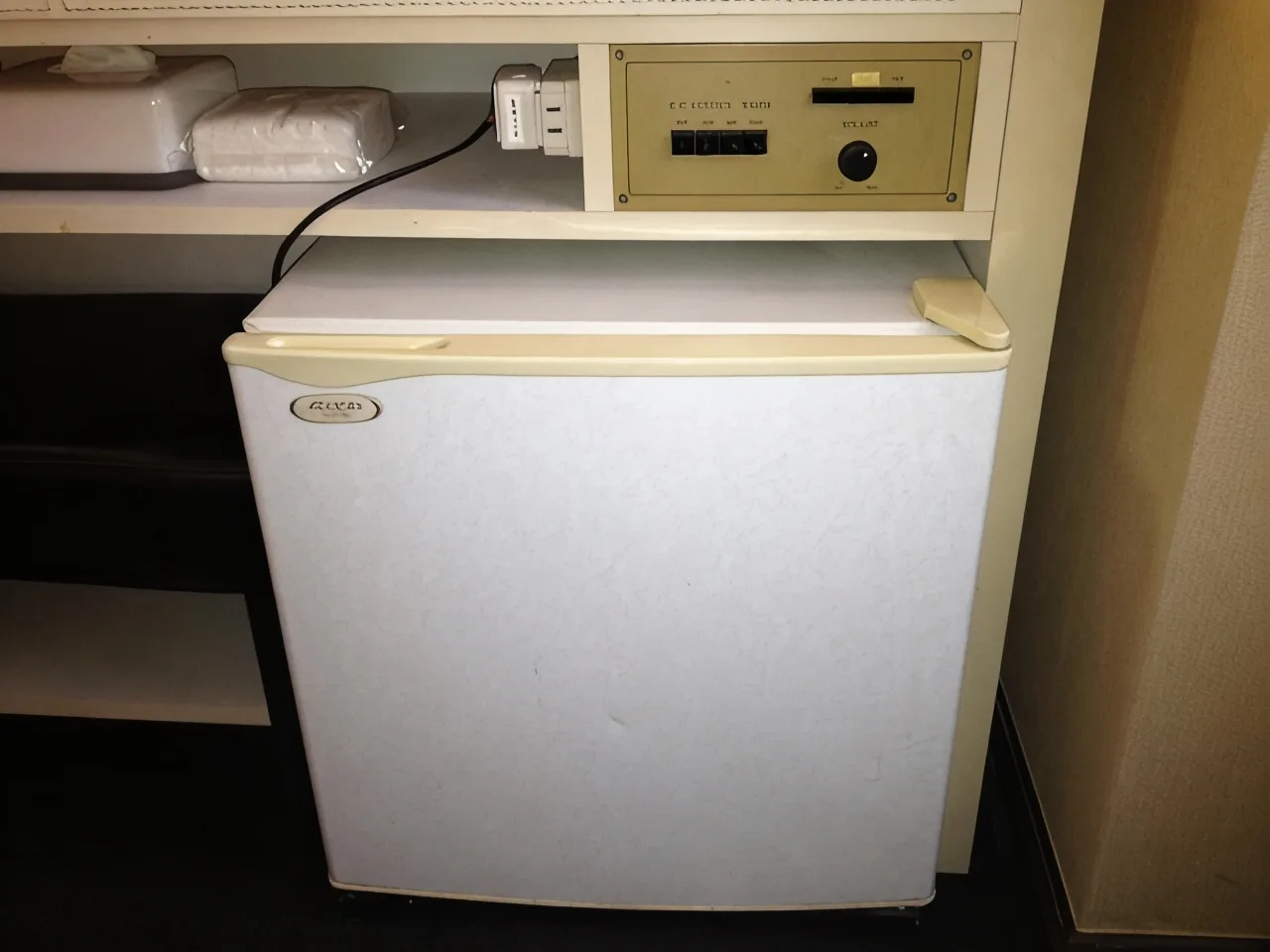
Three bottles of bath products sit by the basin, the hair dryer is wall-mounted, and the fridge sits under the desk cabinet; sleepwear is laid out on the bed and tea things by the window. Check these small items as soon as I walk in and ask the front desk right away if anything is missing, rather than finding out before a shower.
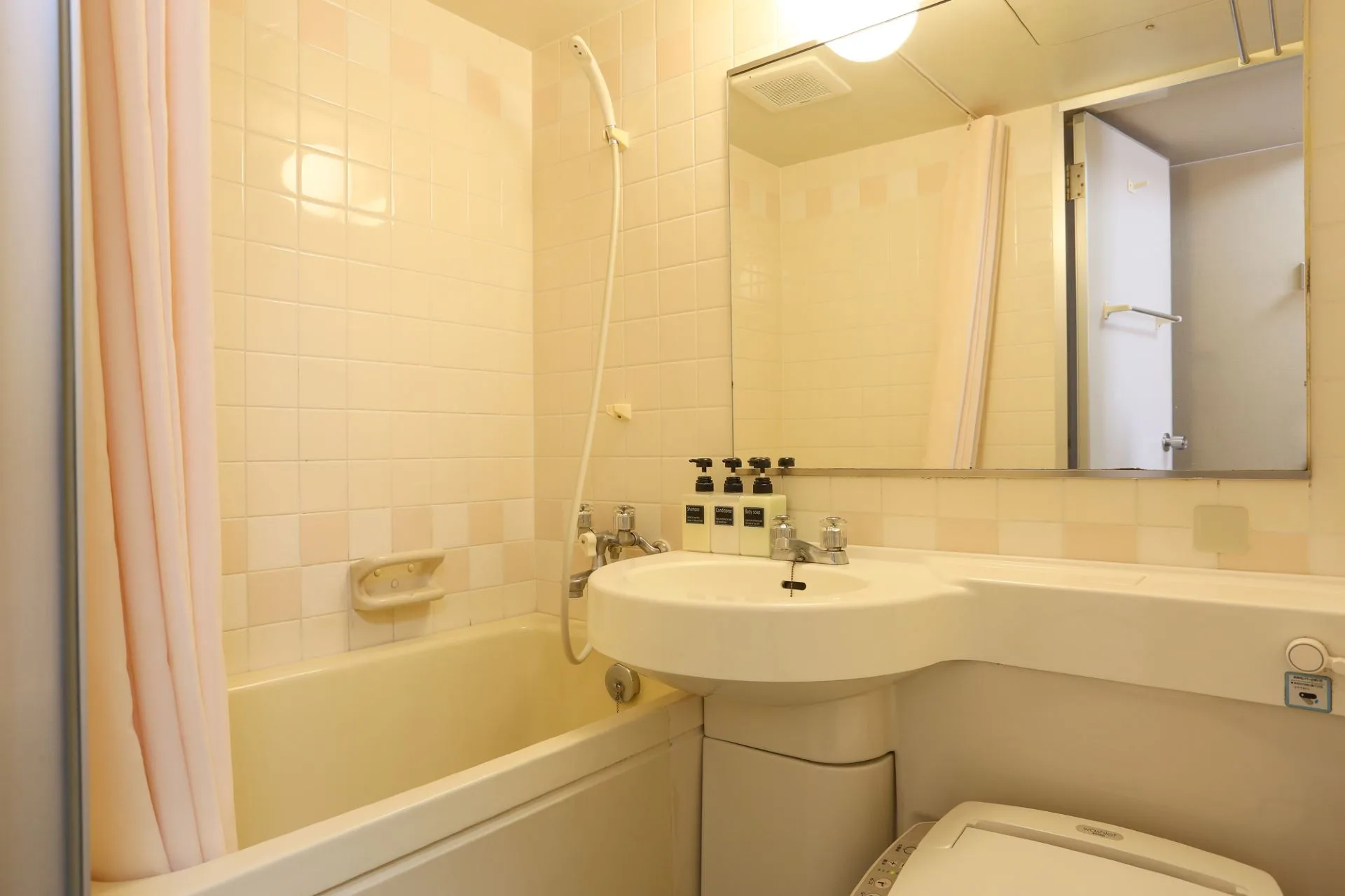
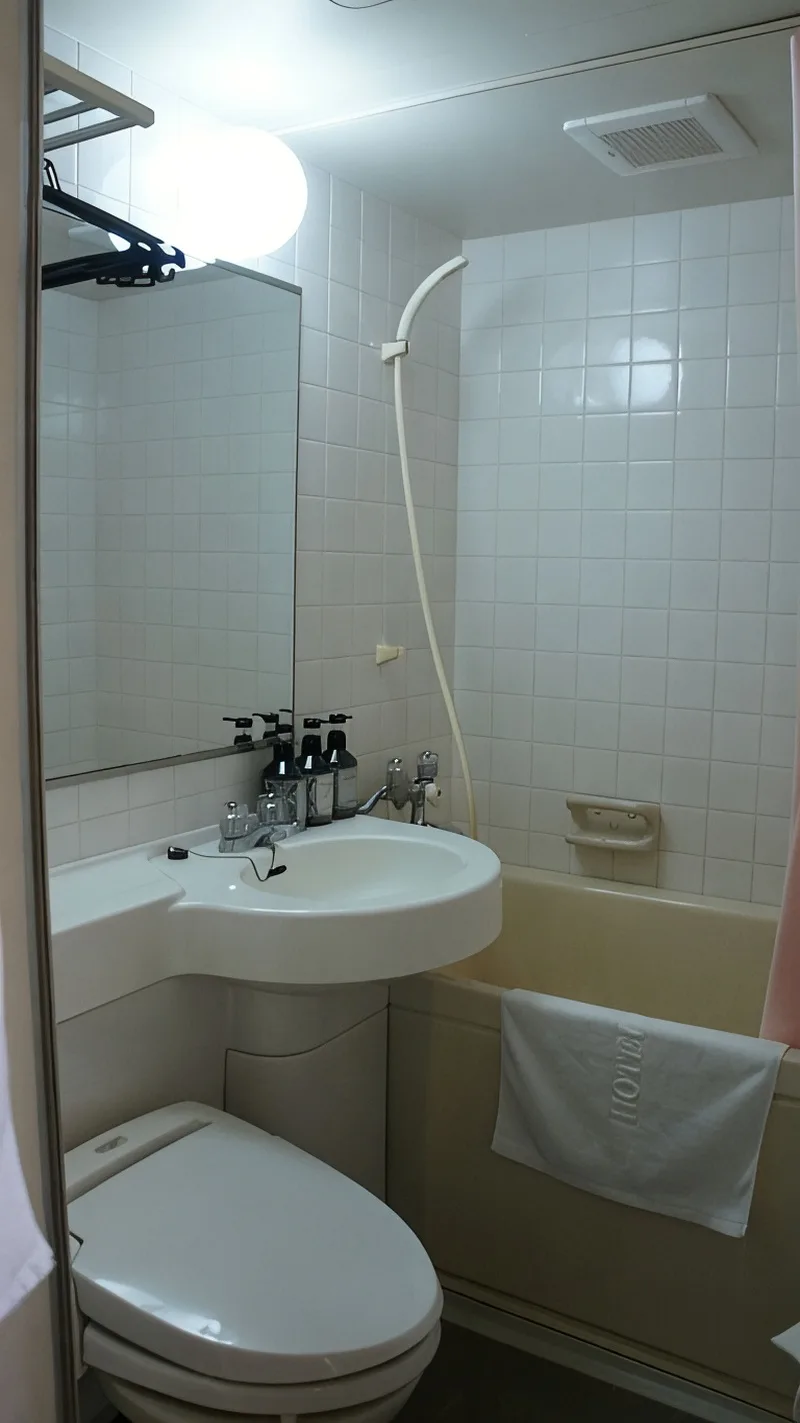
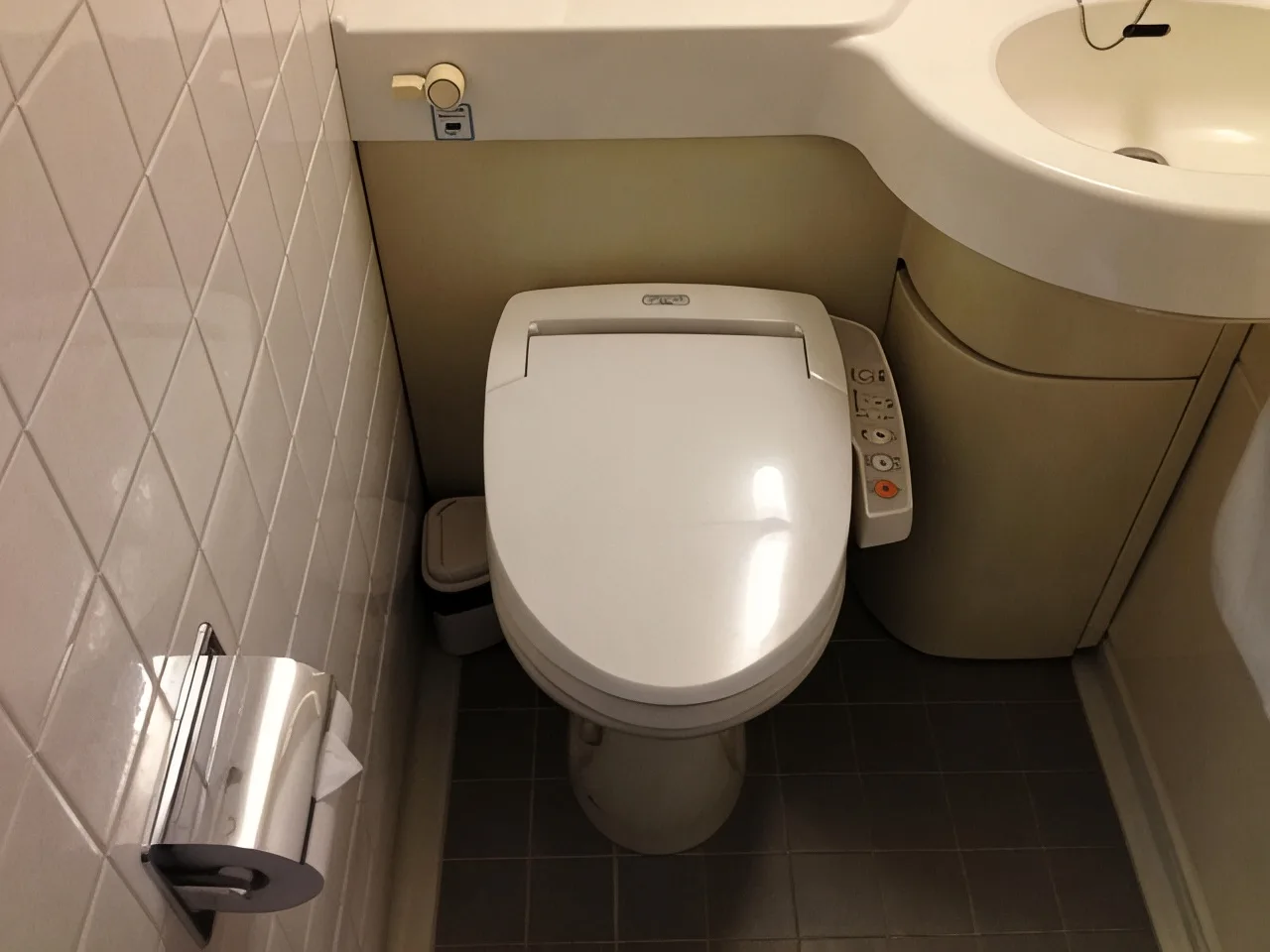
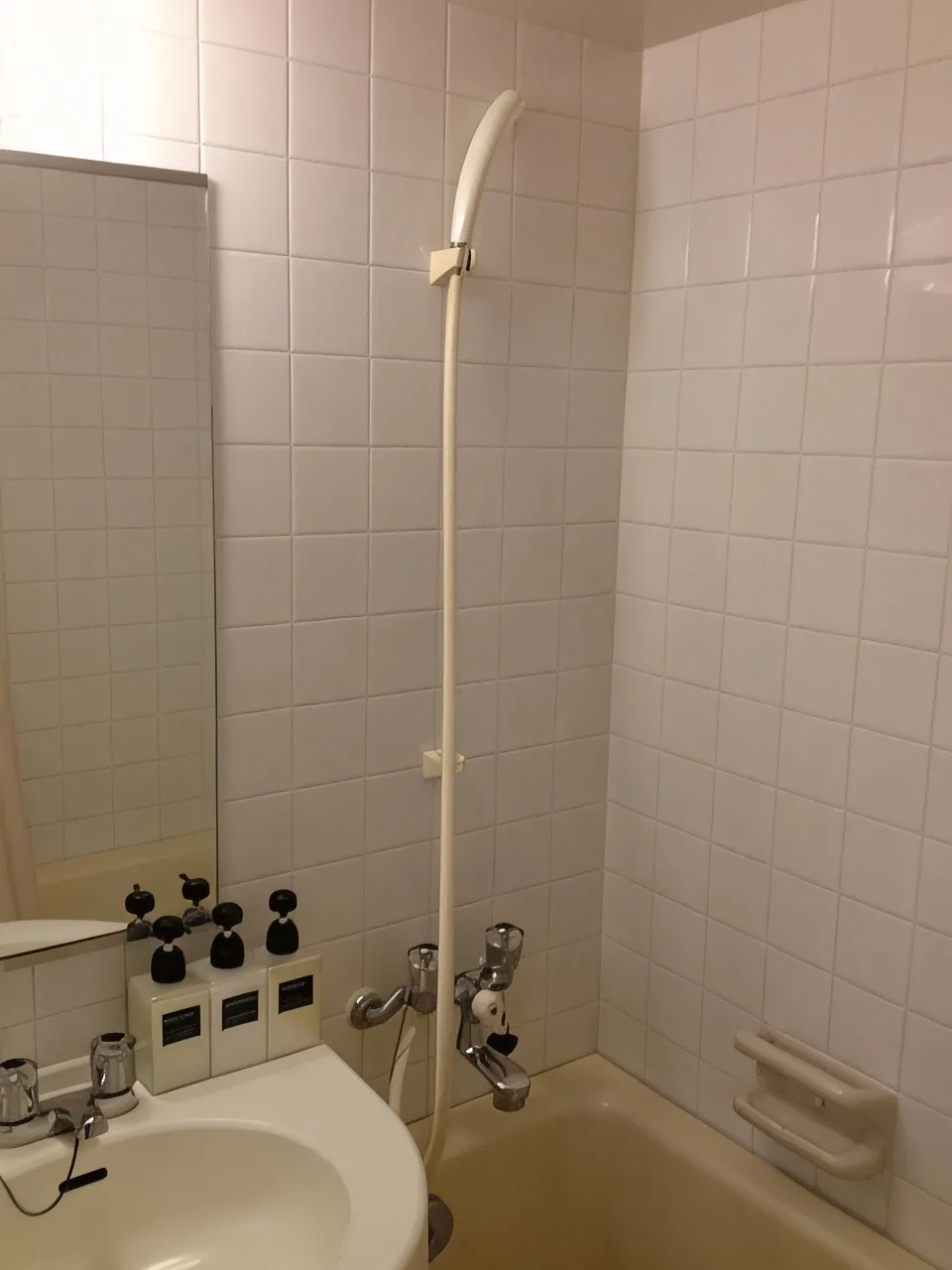
Photos of beds and bathrooms, as they look in use
Photos of beds, desks and bathrooms show how the rooms feel in use. Imagine your suitcases, cables and toiletries in the space and check whether there would still be room to walk. Views of neighboring buildings and streets may also help you judge the setting.
Shared seating and laundry are useful for longer stays
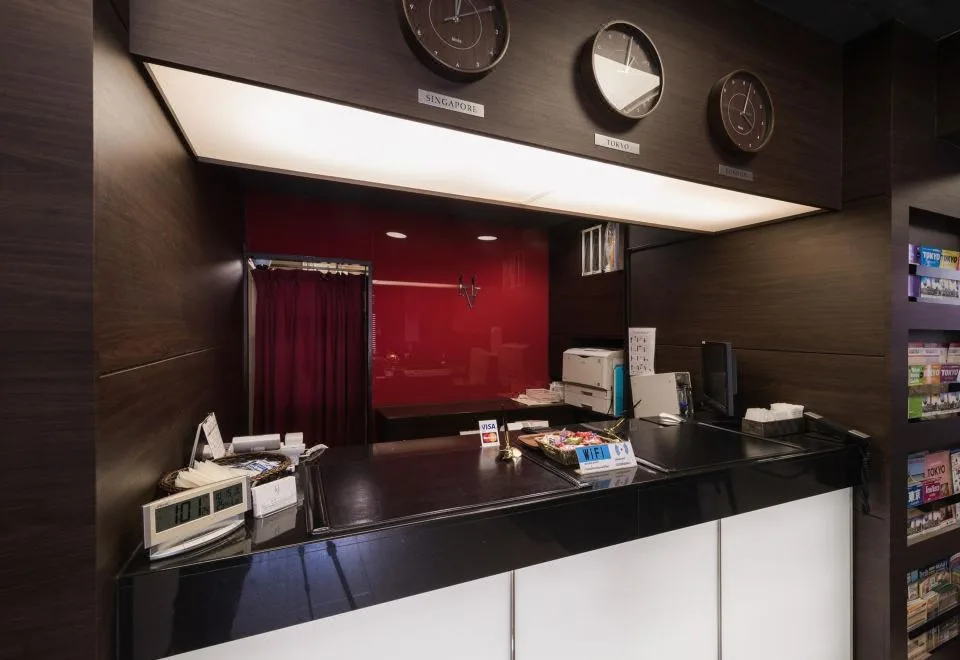
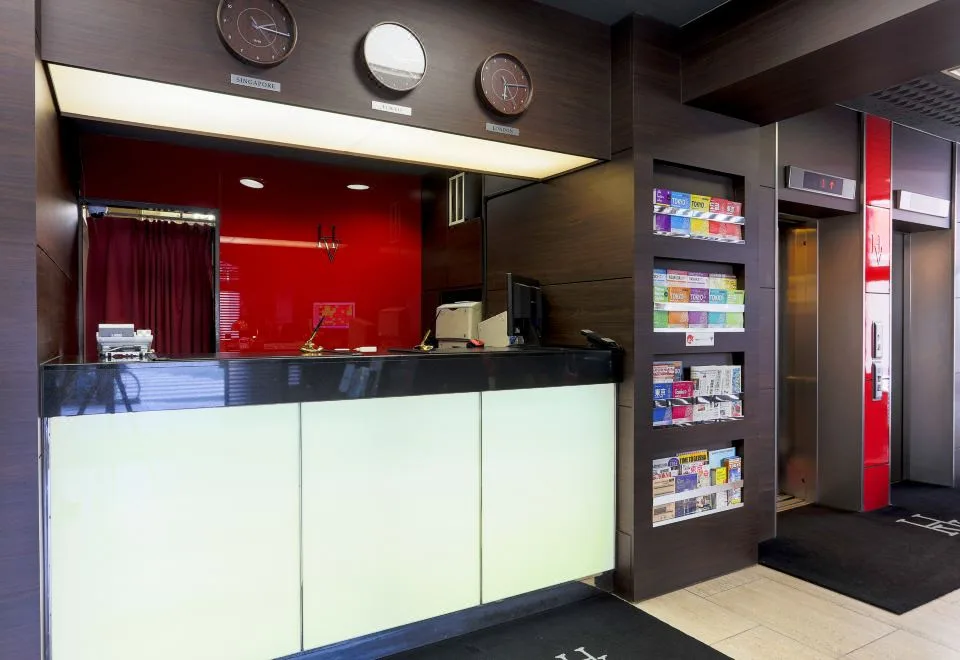
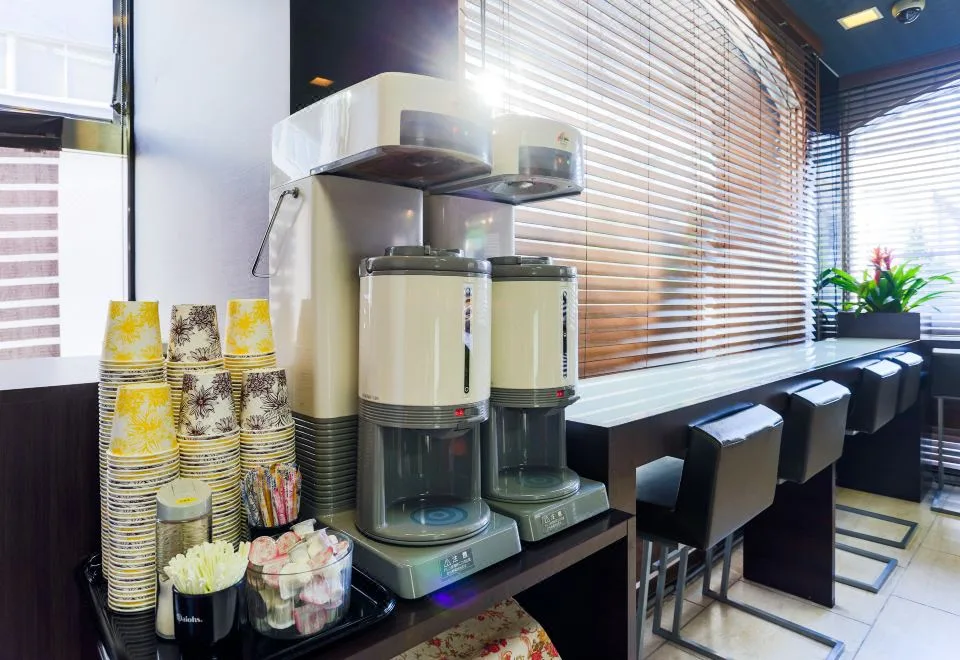
The front desk is staffed 24 hours; check-in is after 3 p.m. and checkout before 10 a.m. Arrive early and bags can be stored, and storage after checkout is free for a while — bags can even be delivered to the room. The hotel takes no deposit, no room type allows an extra bed or a crib, and children of all ages are welcome, though a fee may still apply without an extra bed. Pets are not allowed; service animals are. The building has an elevator, vending machines, business services and fax/copying, and the front desk speaks English and Japanese. Free coffee is served in the lobby from 6:00 to 12:30; Treat it as the first cup of the day, not breakfast. The shared seating area has tables, chairs and high window seats for a pause before going out or after coming back. On a longer stay run laundry during daytime outings, and ask the front desk at check-in about laundry costs, detergent and hours.
Normal check-in is after 3 p.m. and checkout before 10 a.m. Early arrivals can ask to store bags before a neighborhood walk. Early room access is a separate arrangement; do not plan the first afternoon assuming it will be available.
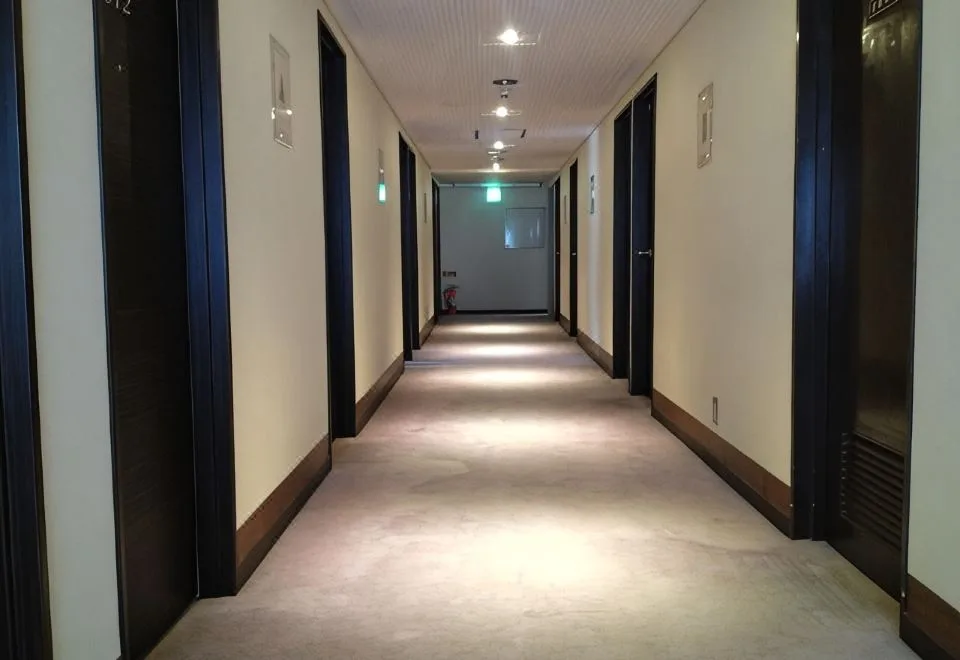
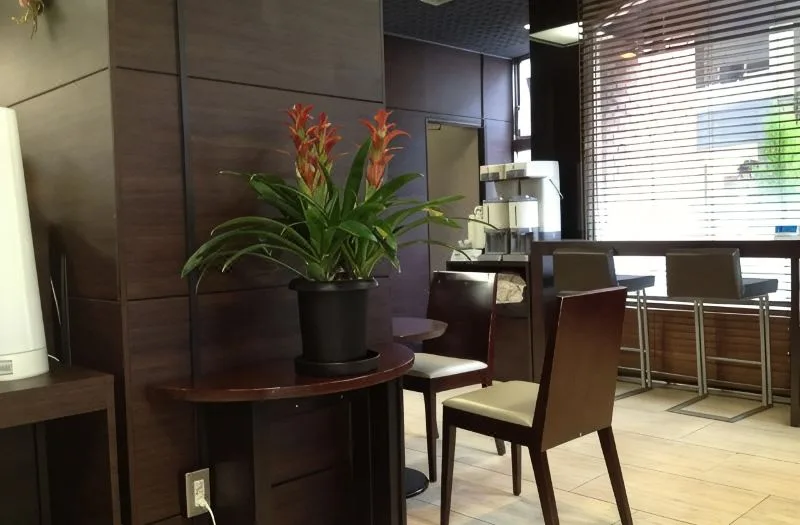
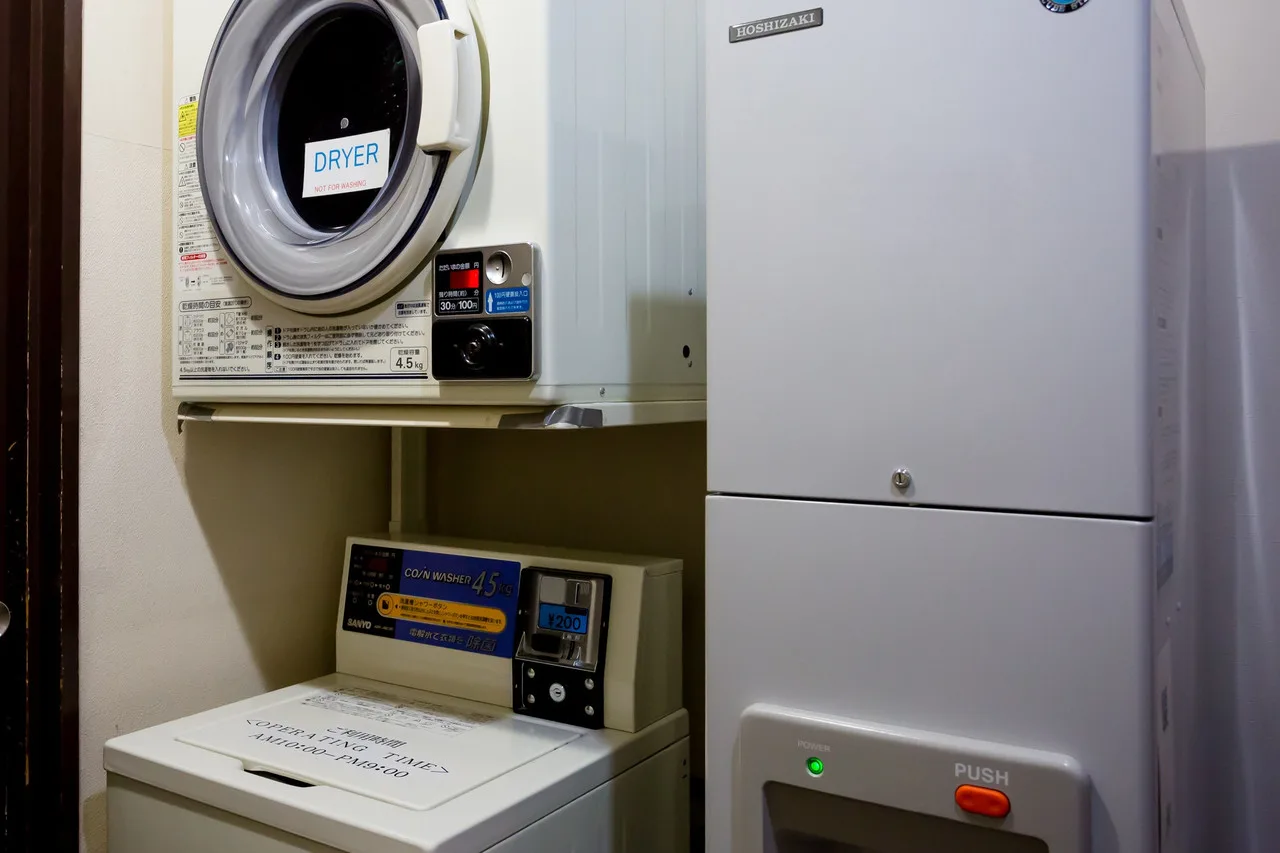
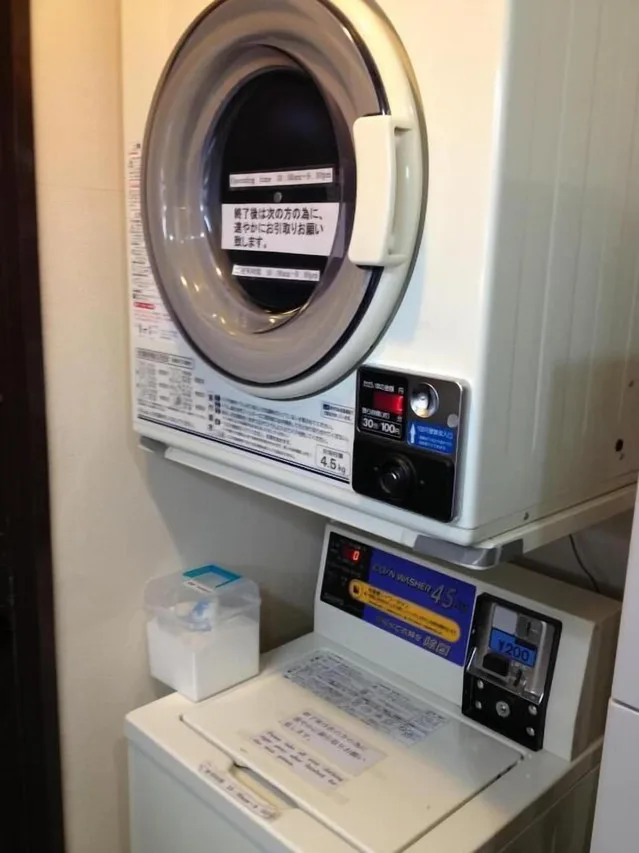
Check the amenities actually shown in the photos
The photos depict sleepwear, tea equipment, fridges and hair dryers. I still bring my usual toiletries and chargers so returning after a long day is easy.
No hotel breakfast: the drinks corner is not a breakfast buffet
There is no hotel breakfast service. For an early train, buy some food the night before. When you have time, choose a cafe along your walking route and enjoy a slower morning. Free coffee is served in the lobby from 6:00 to 12:30, so have a cup before heading out; for something ready-made, the Mitsukoshi food hall is on the way.
Shared seating and drinks are useful for a brief stop before heading out, but a complete breakfast needs a separate plan.
For a short stay consider luggage; for longer stays noise and cleanliness matter more
An 11 m² room may be sufficient for one person traveling light. With two large cases, the passages fill quickly. The question is not only whether two people can sleep there, but whether both can unpack and reach the bathroom comfortably.
Check soundproofing, smells, bedding and Wi-Fi first when you walk in; the rooms are cleaned daily and can feel straightforward and tidy. If you are sensitive to noise or odors, prioritize sleep quality over a modest saving. If staying here, check the bed and bathroom promptly and ask staff to fix any issue.
For daily calls, working for hours at the desk or anyone who particularly values quiet, Compare hotels with more space and better acoustic comfort. This one works best for light packers out exploring during the day.
Rooms have a 1200W hair dryer, a fridge, sleepwear and tea things, and an iron can be borrowed from the front desk; women’s amenities include small items like face packs and hair ties, and the front desk hands out sweets. Public Wi-Fi is free and runs about 30–40 Mbps at peak times, enough for video calls, but some rooms have had unstable Wi-Fi, so keep mobile data ready for an important meeting.
Choose your itinerary before accepting a small room
For a solo trip with little luggage along Nihonbashi, Ningyocho and the Hibiya Line, Hotel Horidome Villa makes sense as a comparison. For separate beds, start with the twin. Two people with plenty of luggage who prefer one bed should look at the 17 m² double rather than assume the 11 m² small double is their only option.
If a spacious bathroom, dining or working in the room, a guaranteed view or hotel breakfast is important, compare other hotels first. Check the exact room category, windows, bed arrangement and breakfast terms before booking.
When booking, settle four things at once: whether the room type is the one I want, whether the window opens, the bed type and width, and how late bags can be stored after checkout. Asking first beats finding out after check-in. If you travel solo and light, out most of the day, this hotel is enough; if you are two people with a large suitcase each, start from the 17 m² rooms rather than booking the 11 m² room and working around it.
Pros and cons
Pros
- Kodenmacho and Ningyocho stations are both a 3–4 minute walk, with Nihonbashi and the Mitsukoshi area easy on foot.
- The front desk runs 24 hours and stores luggage, including free storage after checkout, and bags can be delivered to the room.
- Free coffee is served in the lobby from 6:00 to 12:30, so there is a hot drink even though the hotel serves no breakfast.
- Rooms are cleaned daily and feel tidy overall; a higher-floor room can catch a glimpse of Tokyo Tower from the window.
- Free public Wi-Fi runs about 30–40 Mbps at peak times; rooms have a 1200W hair dryer, a fridge, sleepwear and tea things.
Cons
- An 11 m² room leaves little luggage space; two large suitcases opened at once block the passage.
- Soundproofing varies, and some rooms catch corridor or neighbour noise; some windows do not open.
- Fittings differ in age, and some rooms have had odours, marks on the bedding or unstable Wi-Fi.
- No breakfast is served, and no room type allows an extra bed or a crib; numbered exits 1–4 are all stairs, so heavy luggage means using the elevator-only exits.
Information checked: November 21, 2026.