
TOKYO / CHIYODA
remm Hibiya Tokyo: Theatre Access, Room Layouts and Rail Noise
remm Hibiya
If you are like me — out all day, catching a show in the evening — this location is genuinely handy: Hibiya theatres, Ginza shopping and Yurakucho dining all sit within a walking itinerary. One honest caveat first: two people with large cases, or anyone sensitive to railway noise, fixed windows or air conditioning, should choose the room type before anything else.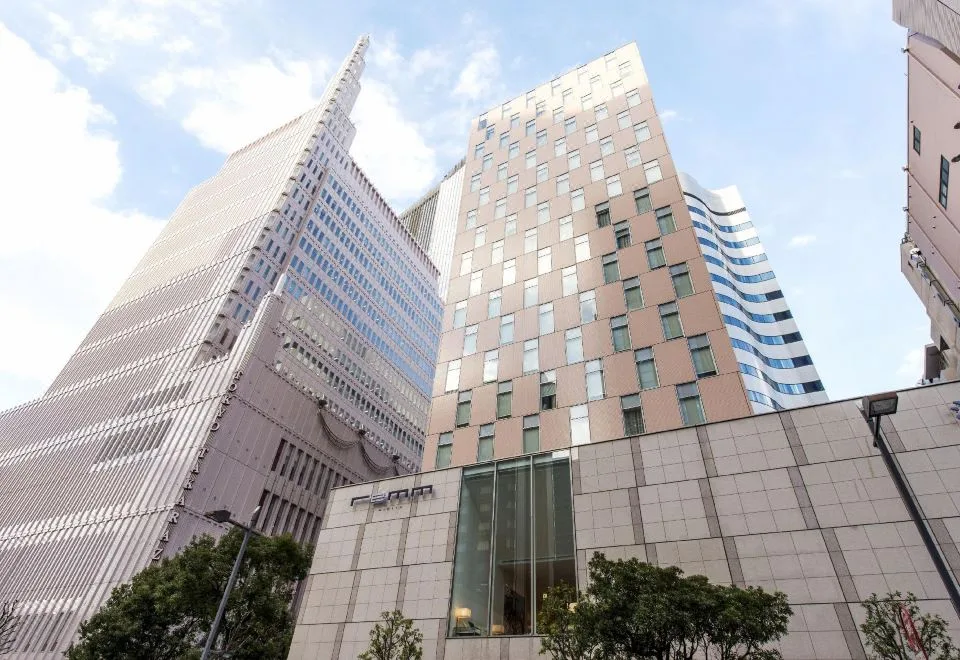
Choose location, and accept room-space trade-offs
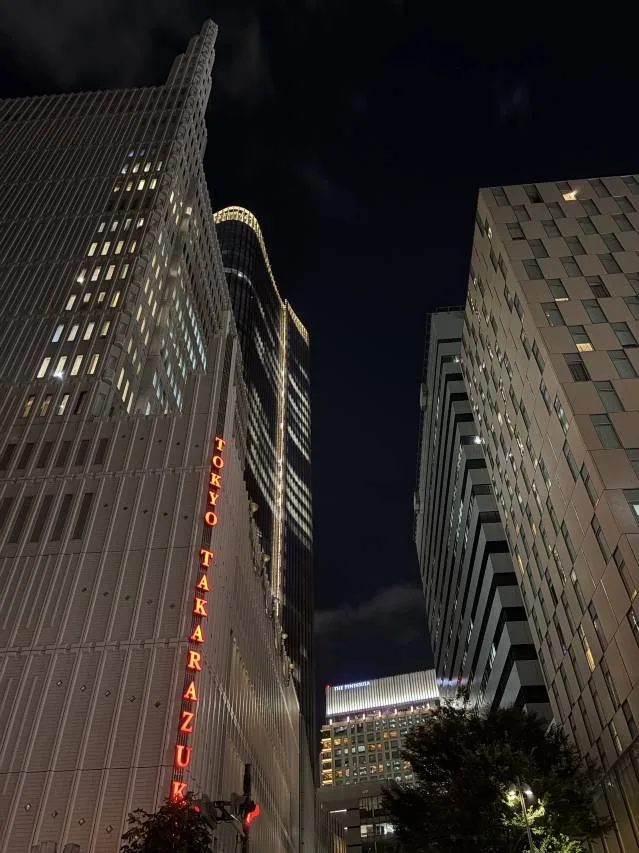
- Theatre nights slot in easily: the Tokyo Takarazuka Theatre and Tokyo Midtown Hibiya are close by, and Tokyo International Forum is roughly a ten-minute walk.
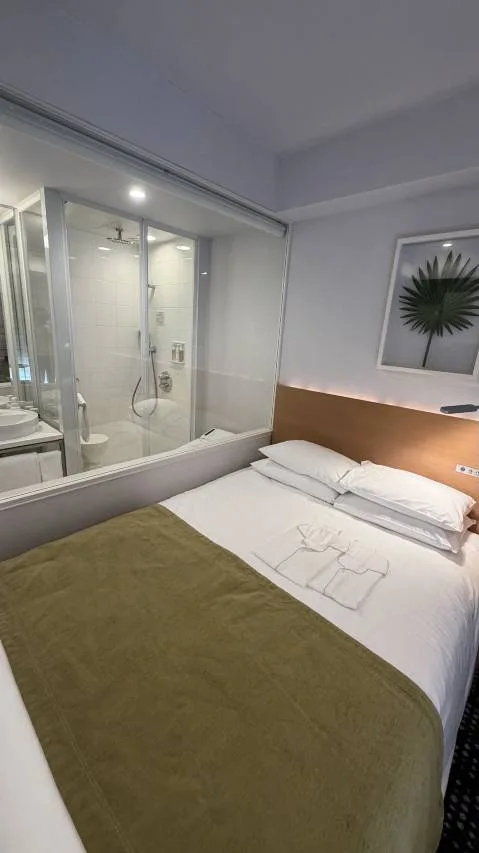
- If you want a bath or a massage chair, pick the room type first: a Semi Double is shower-only, a Twin has a bathtub, and a Small Twin has no massage chair.
- One person and two people feel the space very differently: a large lift-up case left in the corridor can block the door. Rail noise came up on the railway-facing side.
- If you are a light sleeper, I would prioritise a room away from the railway; if a quiet room cannot be confirmed here, put sleeping well ahead of being close to the station.
Ordinary and lift exits do not share one minute count
| Official information | Luggage limitation | |
|---|---|---|
| Hibiya Chiyoda Line | A13 exit, about a 2-minute walk | General exit; use the A11 lift exit with large cases, a wheelchair or a stroller. |
| Hibiya Line | A5 exit, about a 1-minute walk; website lists available hours 6:00 to last train | General exit; use the A6 lift exit with large cases, a wheelchair or a stroller. |
| JR Yurakucho | Hibiya Exit, about a 4-minute walk | Website has a step-by-step route, identifiable via Hibiya Chanter and Theatre Crea entrances |
| Lift route | Hibiya Line via A6 (inside Peninsula Hotel) ground lift exit; Chiyoda Line via A11 | Use these two exits with large cases, a wheelchair or a stroller; A5 and A13 are the fastest exits on foot. |
With large cases, a wheelchair or a stroller, use the lift exits: Hibiya Line A6 (the ground lift inside The Peninsula Tokyo) or Chiyoda Line A11. A5 (about a 1-minute walk) and A13 (about a 2-minute walk) are the fastest exits on foot. From the A6 lift, walk south along Hibiya-dori past Hibiya Chanter and the Theatre Crea entrance; the hotel front entrance is just past Theatre Crea. From A11, head the same way toward Hibiya Chanter and Theatre Crea. Figures and conditions are from the hotel access page, checked 2026-10-23; Hibiya Station official barrier-free information lists the lift exits above.
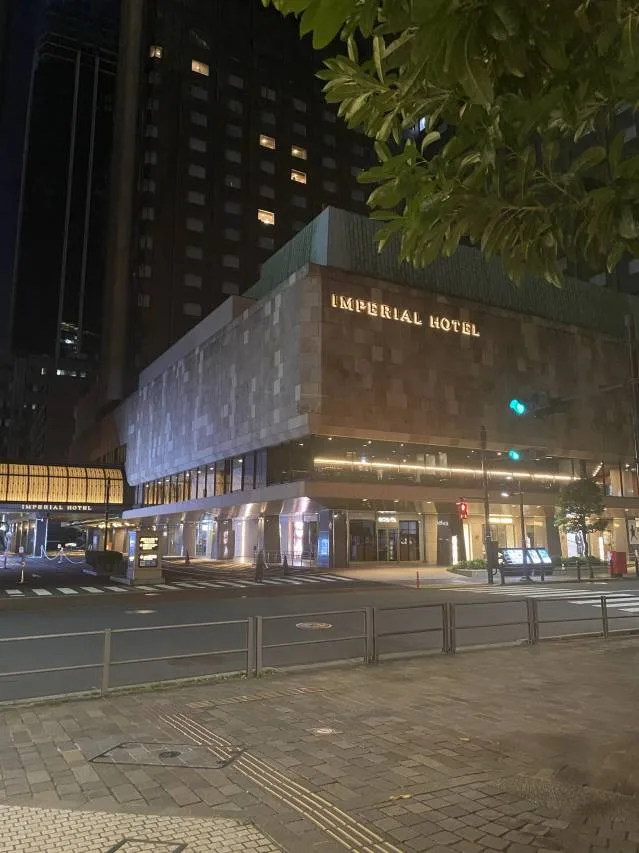
Ginza, Yurakucho and the theatres are basically this hotel’s neighbourhood. My move is to keep lunch, a show and dinner in the same area on foot, so there is no dashing between trains.
Surroundings and transport photographs
Differences among three room types are not only bed separation
| Bed width / count | Bathroom and facilities | |
|---|---|---|
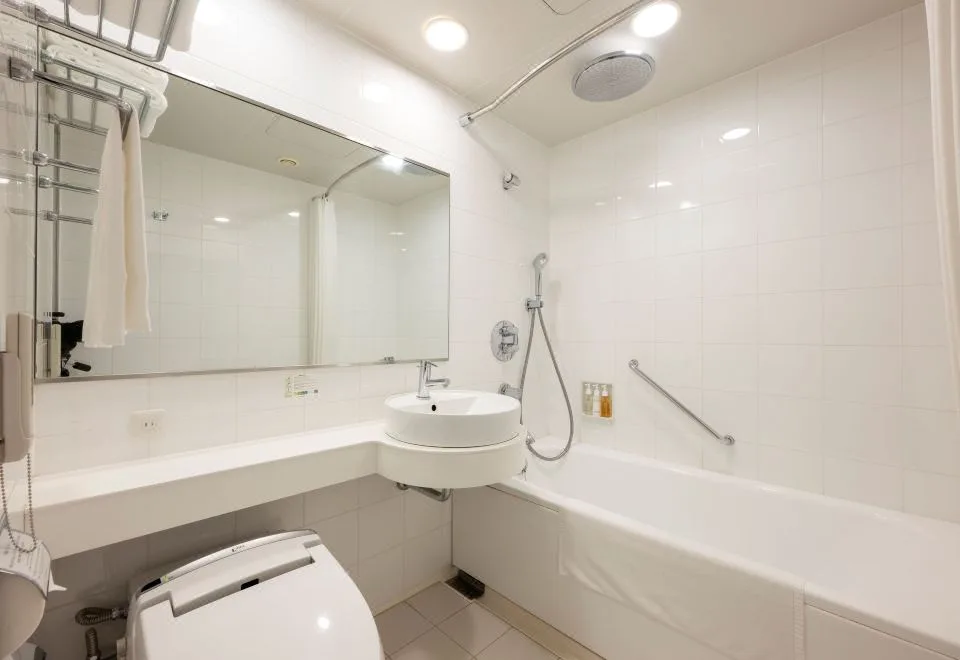
| Semi Double | 140×200 cm, 1 bed, 1–2 people | Shower room, no bathtub |
| Twin | 110×200 cm, 2 beds, 1–2 people | Has bathtub; some rooms have no massage chair |
| Small Twin | 100×200 cm, 2 beds, 1–2 people | Shower room, no massage chair |
Room types follow the official rooms page. Trip lists single and small-double rooms at 15 m²; take the Twin area from the booking page itself rather than applying 15 m² to every room type.
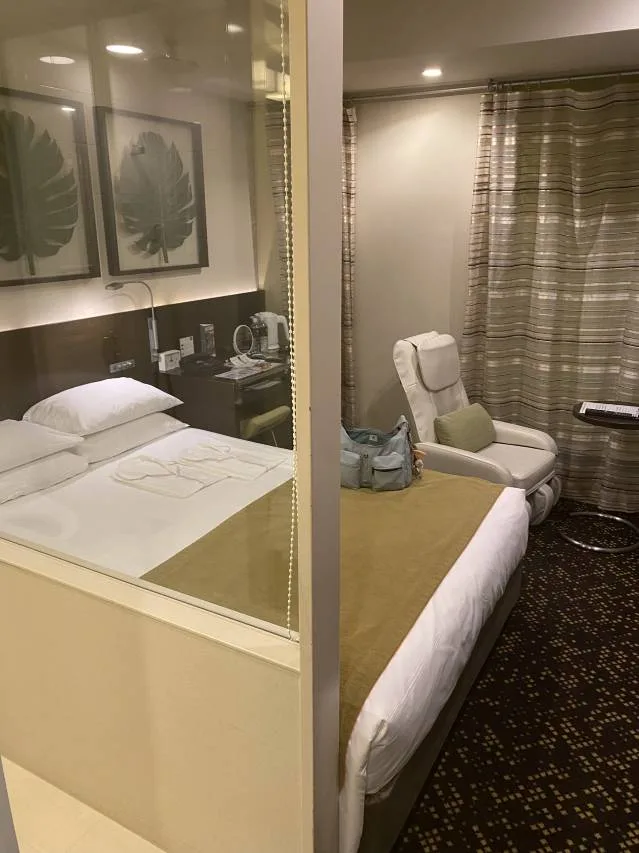
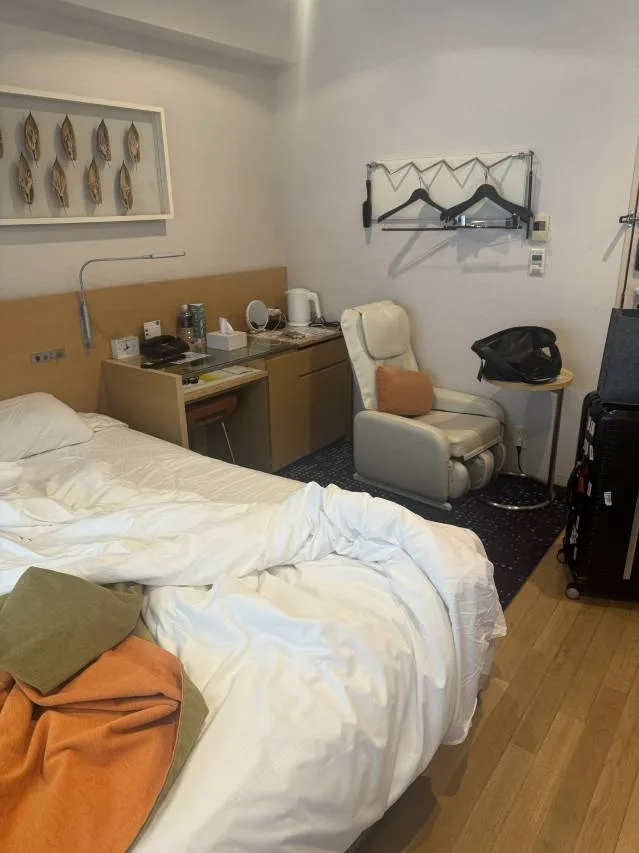
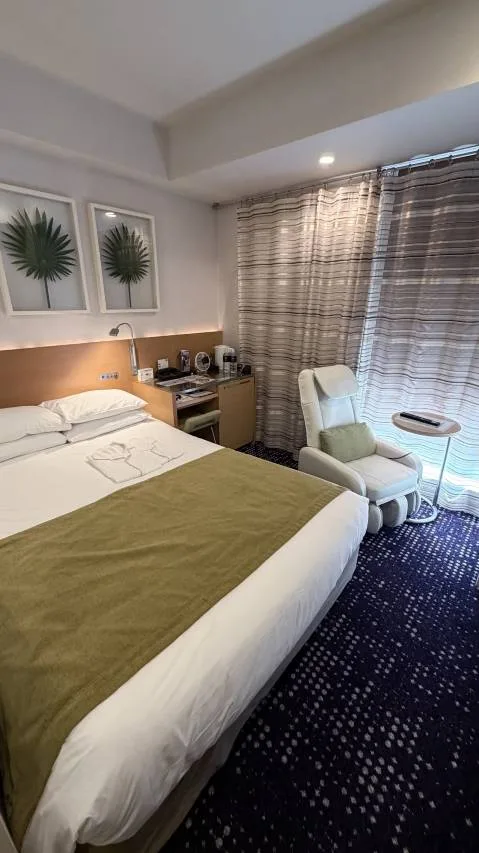
If two of us were staying several nights, the first thing I would check is the actual walking space and where cases can open; a massage chair is lovely, but the floor it takes up counts too. The windows are fixed and air conditioning feels different to everyone — if I stayed in September, I would switch the air conditioning on first: the room can feel stuffy until it is on. If you are like me and used to sleeping with a window open, ask about ventilation when you book. Check-in is 14:00, check-out 12:00; luggage can be stored first.
The small-double squeeze is specific: a lift-up large case in the corridor can block the door from opening, and there is no bathtub — though there is a massage chair. If two of us were staying several nights and shopping daily, I would first ask where cases go and whether the door opens normally, then compare room types; a massage chair is a real plus if you use it, but it has to be weighed against the floor space you give up.
Rooms and bathrooms photographs
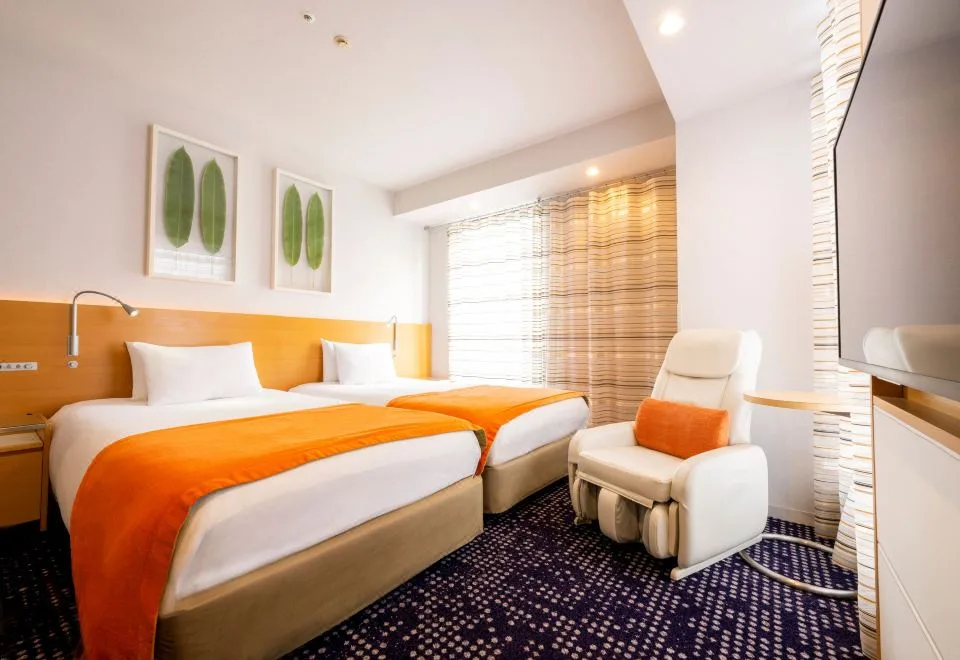
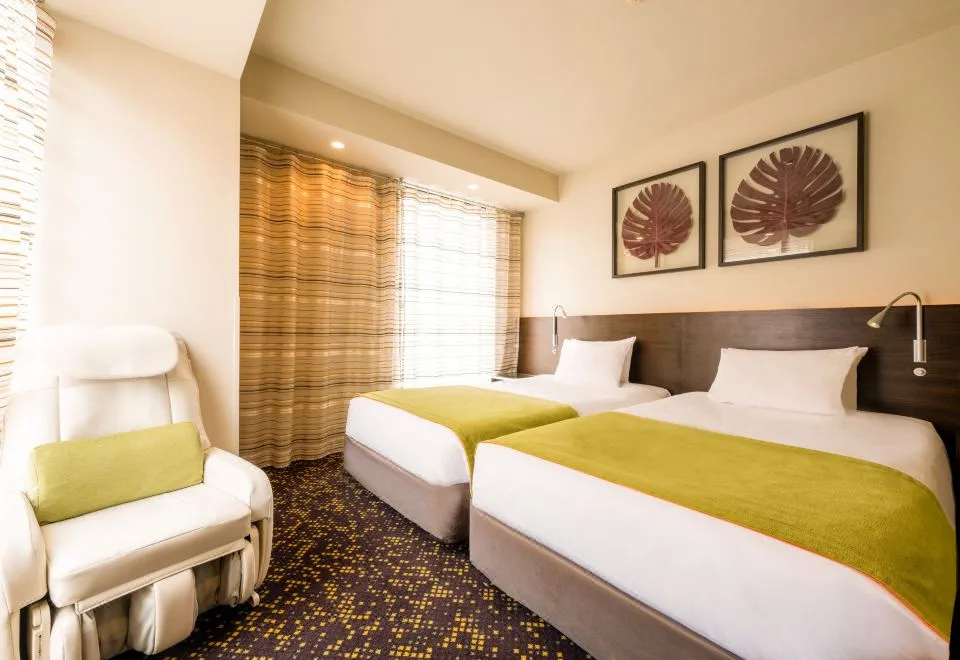
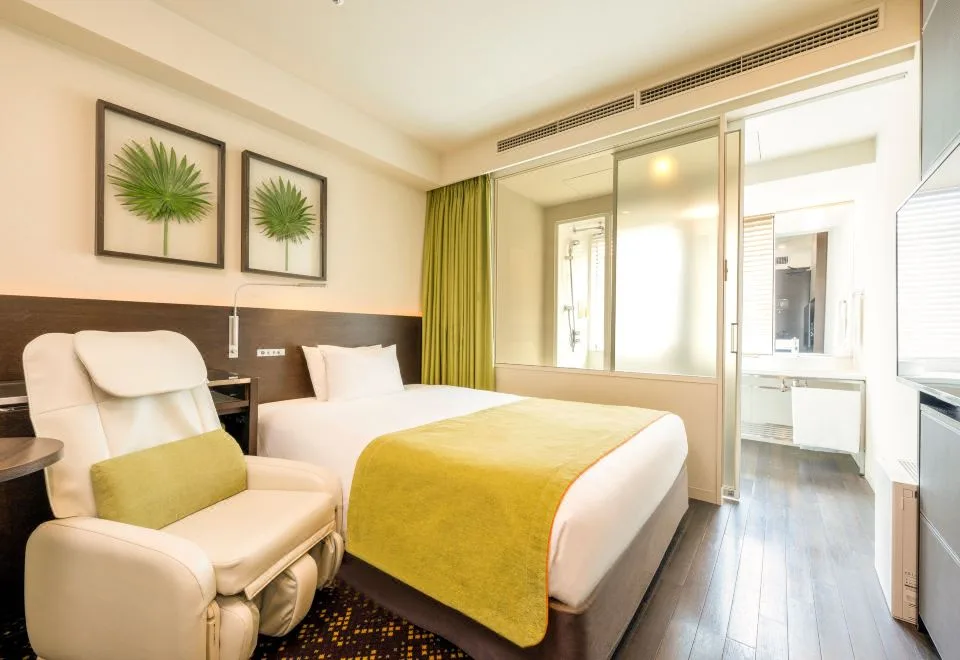
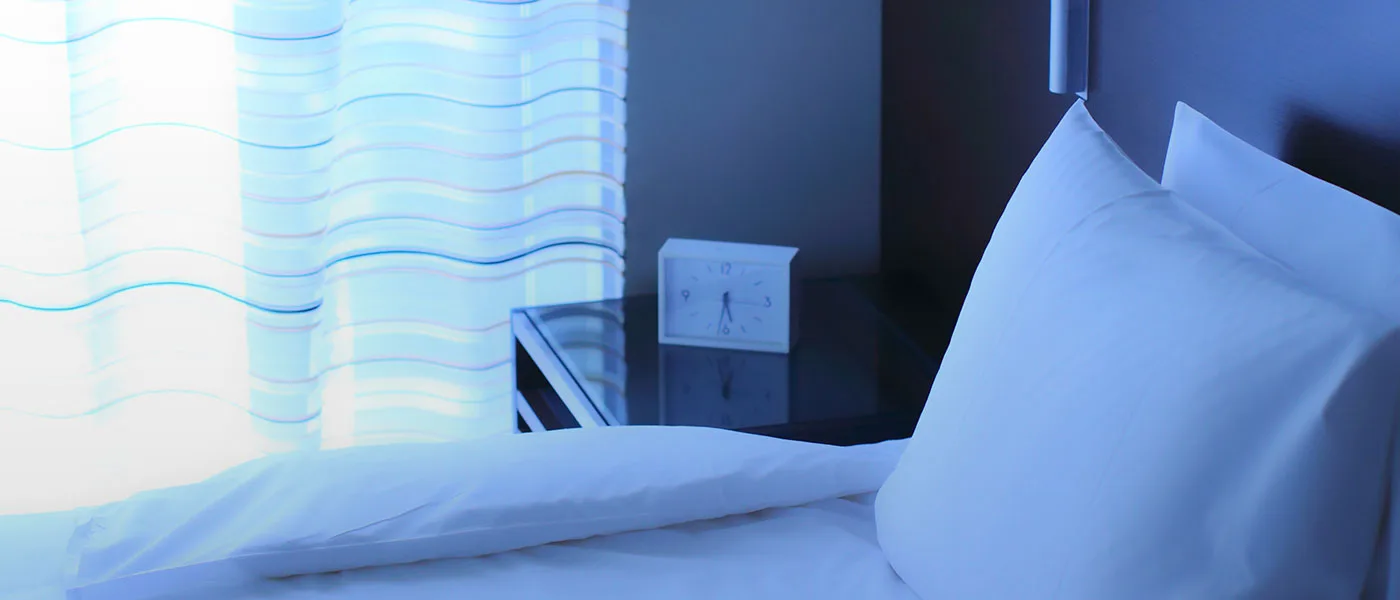
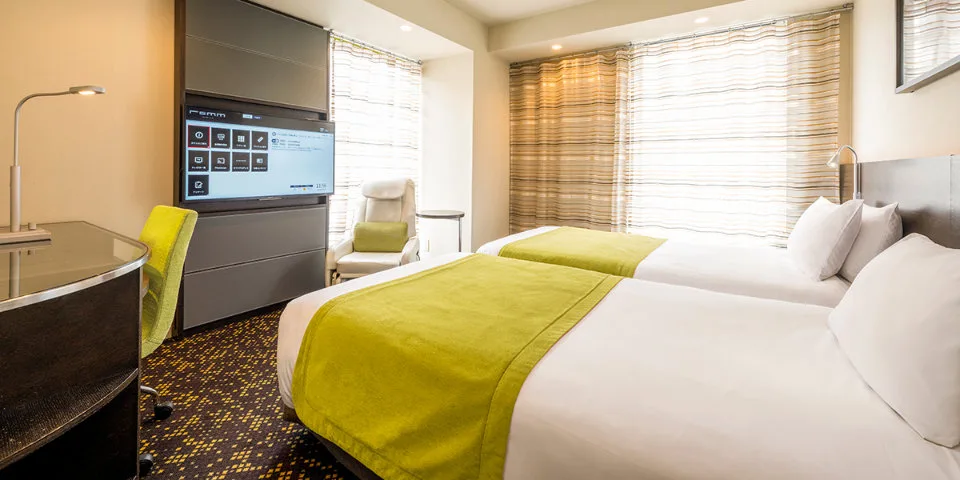
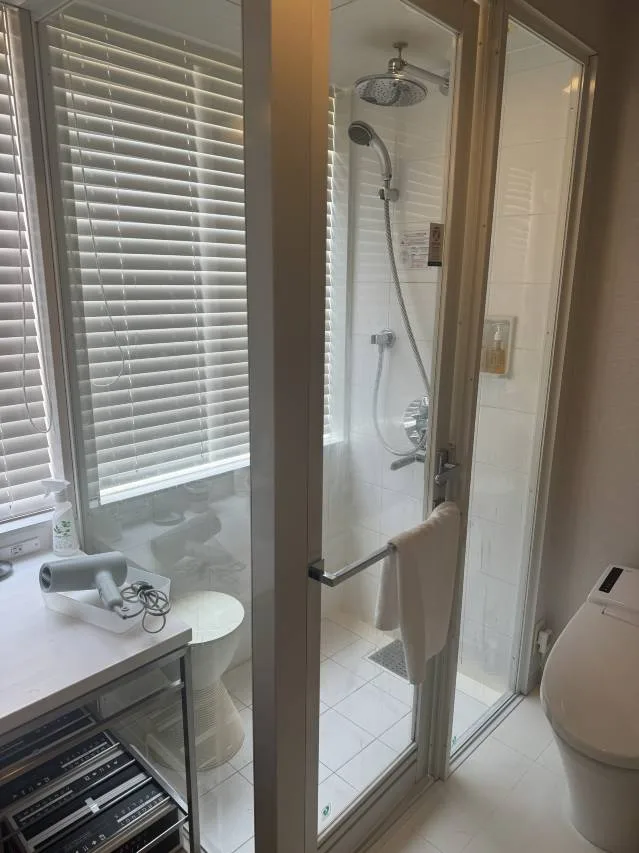
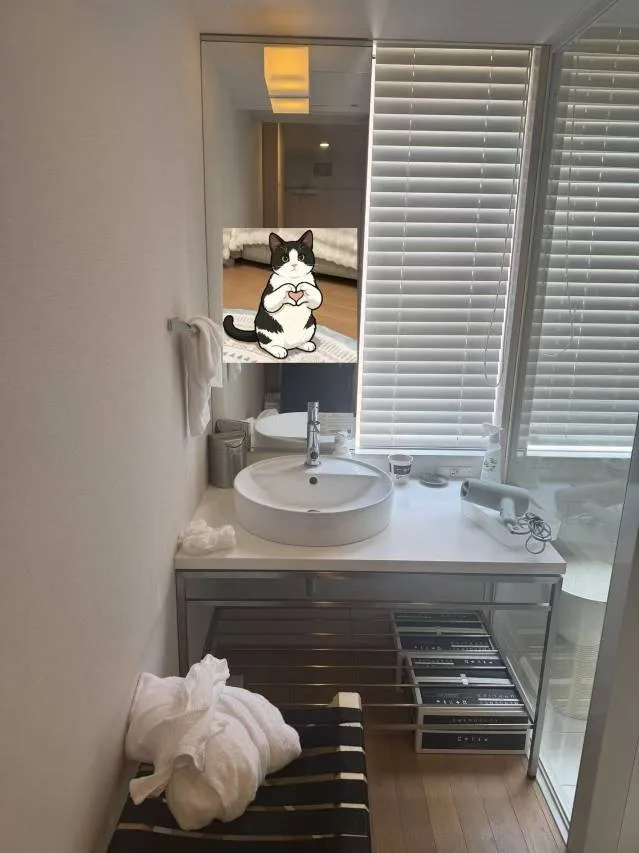
Guest room photographs
Breakfast is now ARCH HIBIYA, do not use the old restaurant name
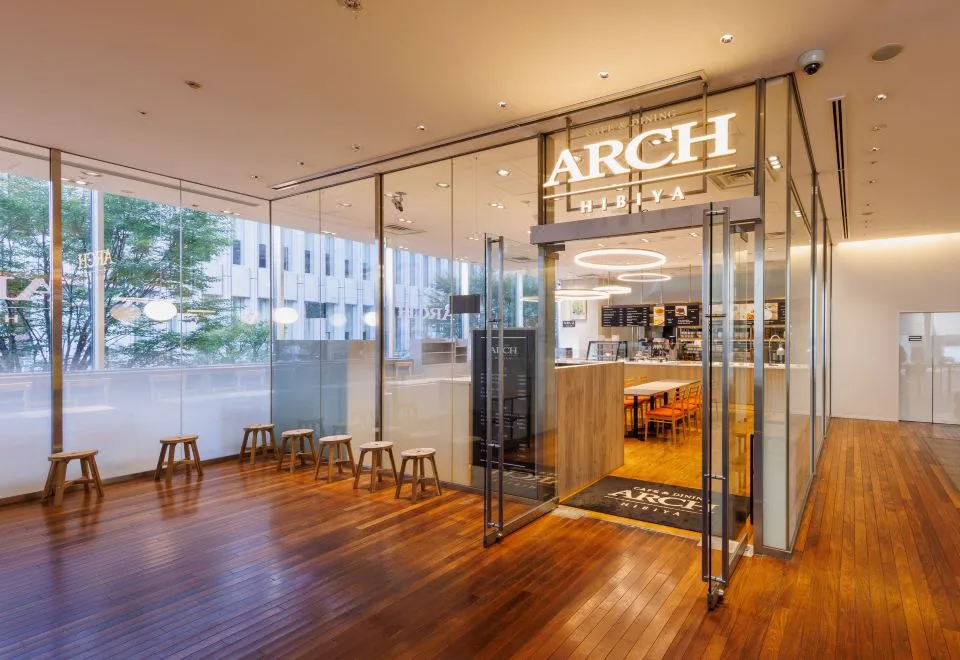
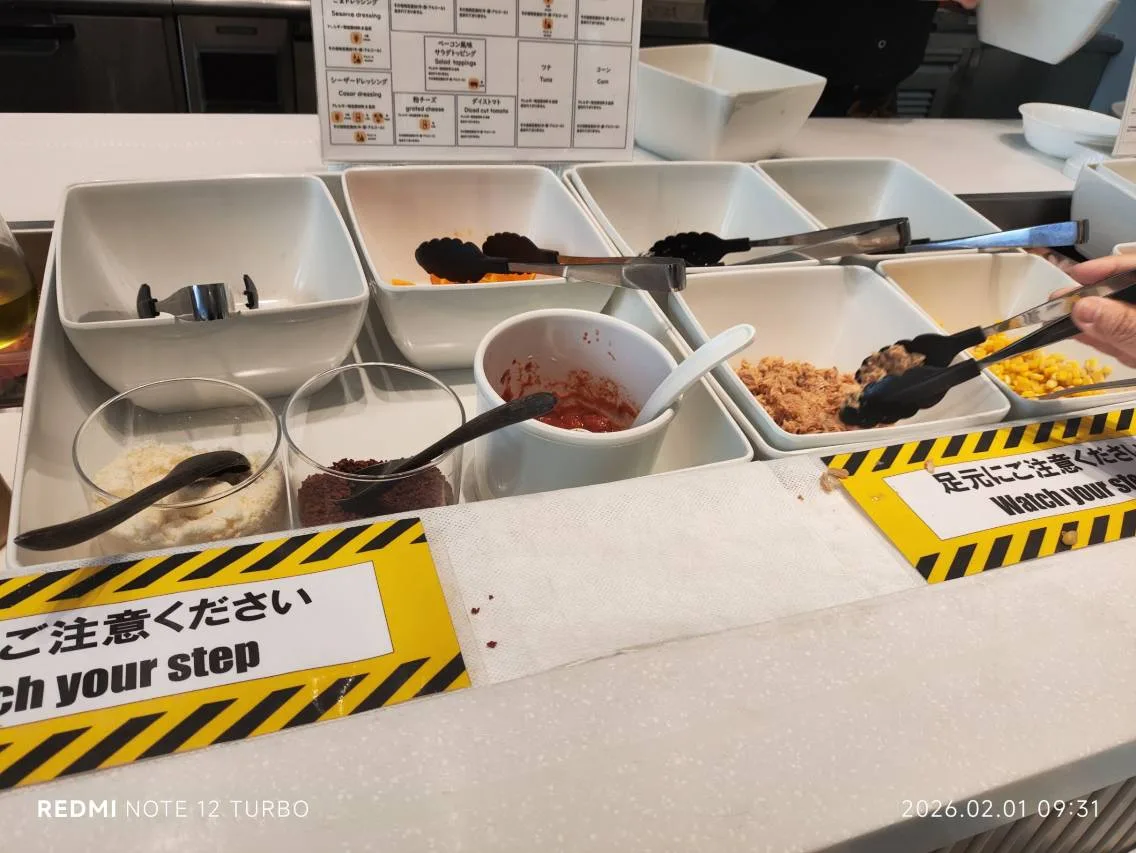
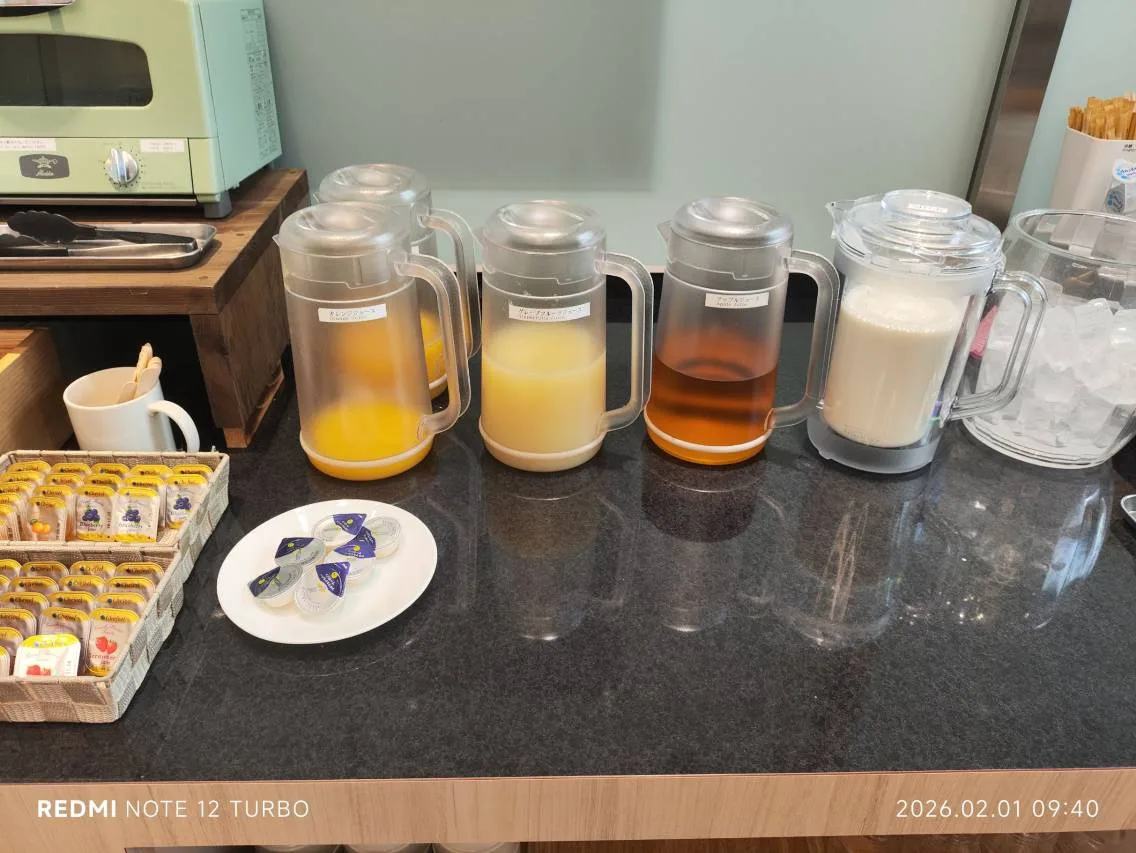
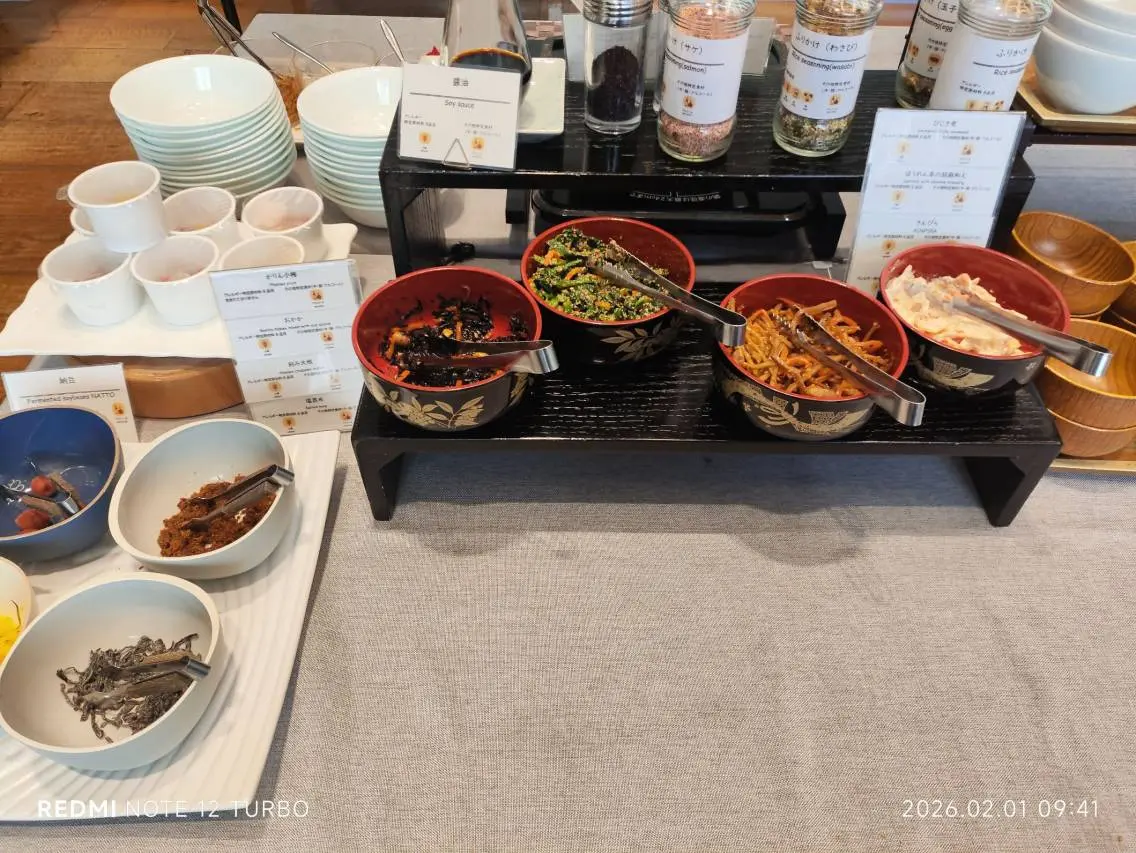
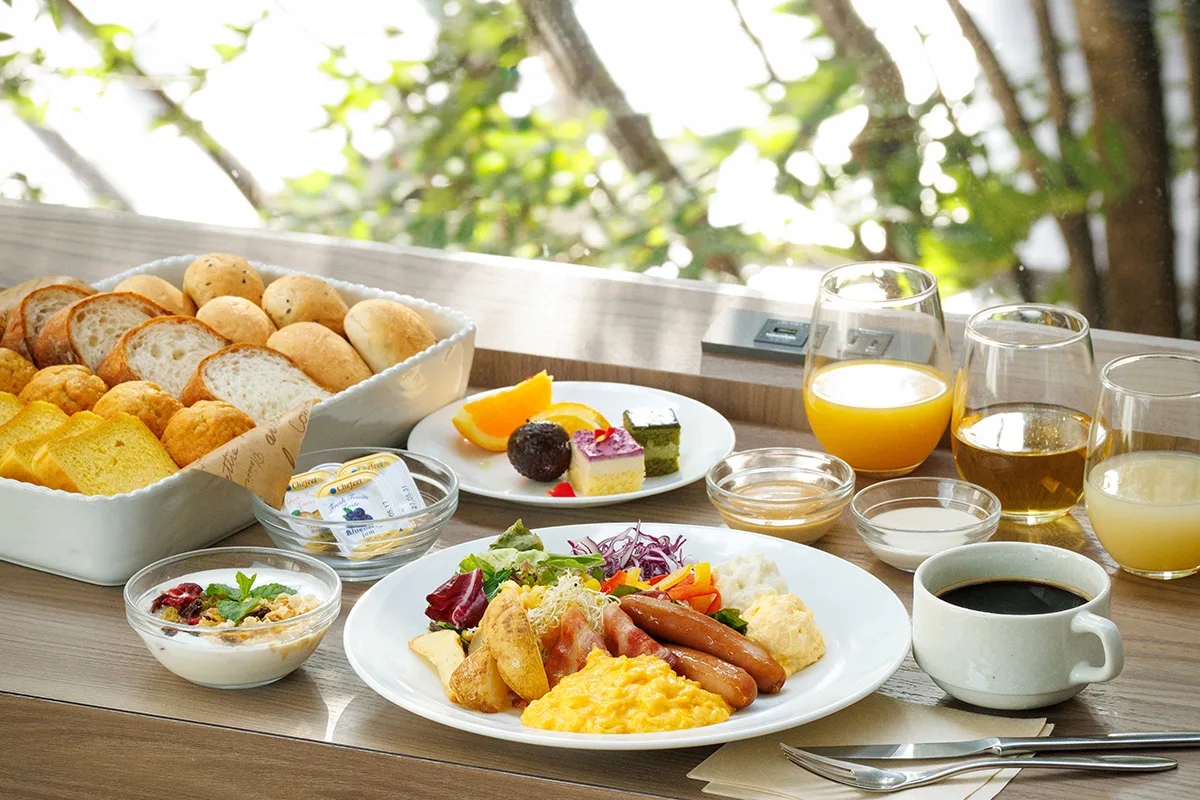
The current official breakfast restaurant is 2F CAFÉ & DINING ARCH HIBIYA, serving a Japanese-and-Western buffet, 7:00–11:00, last orders 10:30; adult reference price ¥2,500 including tax, with the website noting a price adjustment from September 2026. Checked 2026-10-23. Official restaurant page
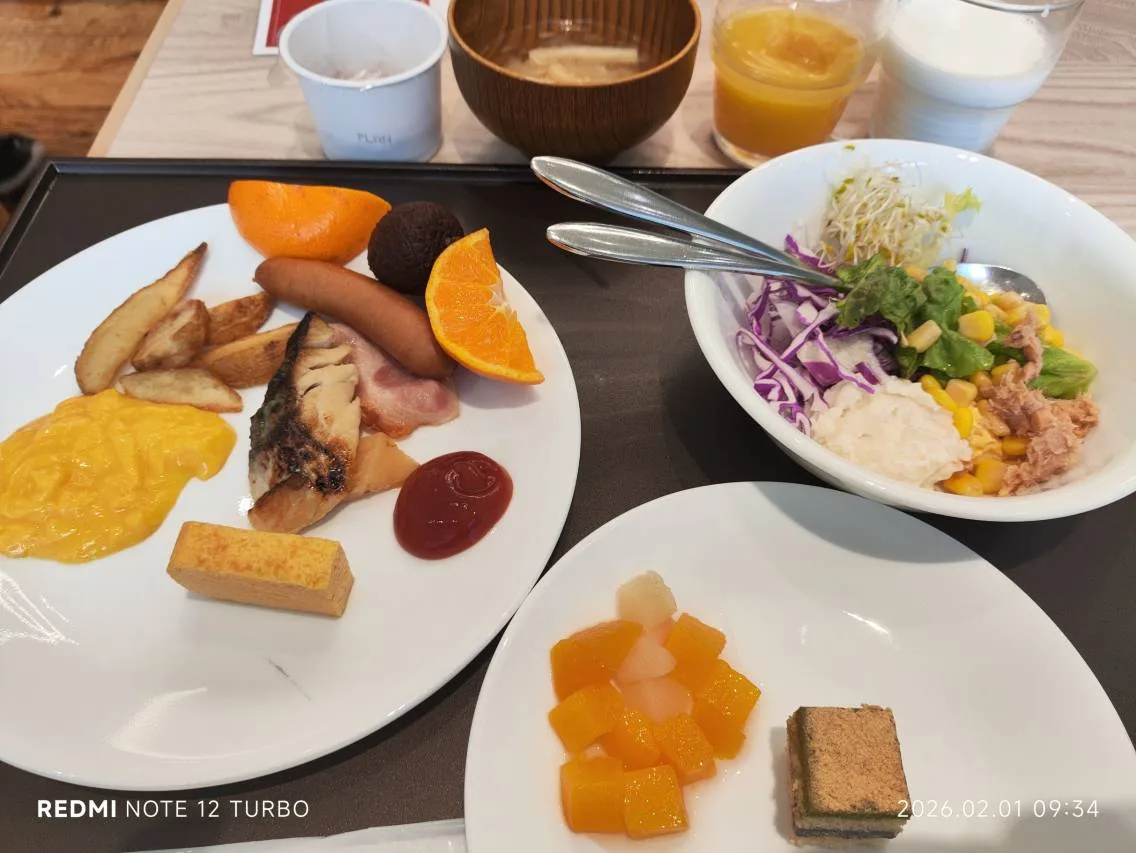
MUJI in older tourism write-ups is the old name — the restaurant is ARCH HIBIYA now. Breakfast lands differently for everyone: some like that the dishes change a little each day, others find the variety wide but the top-ups small, and some simply prefer the Japanese dishes. On a day I do not feel like going out, the in-house restaurant is reasonably priced, so having breakfast on the 2nd floor is an easy option.
If I must catch a train before 7:00 in the morning, I would choose a rate without breakfast; if I want to sleep late after a late show, service until 11:00 is useful, but last-order time must still be allowed for. For a longer stay, eating out in the neighbourhood can also be mixed in, to avoid treating breakfast as a daily must-use expense.
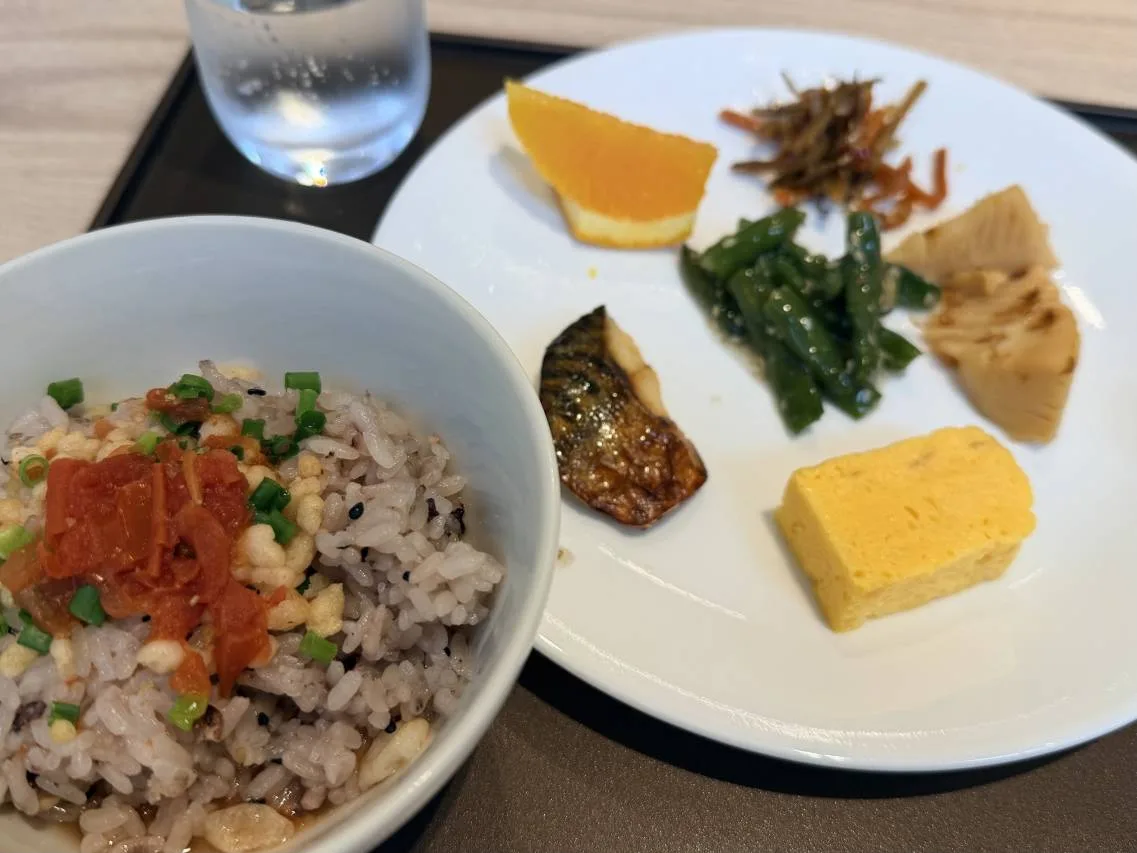
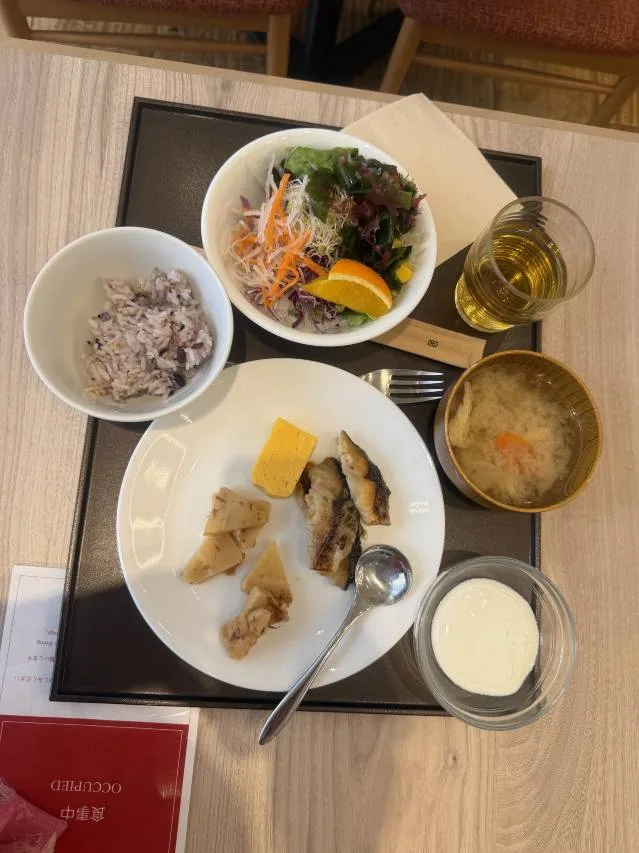
Rice and several side dishes fill the breakfast plate in the photos, with the hot-food counter, drinks and ingredient areas all visible. If breakfast matters to you the way it matters to me, these pictures tell you far more about how it works than the word ‘buffet’.
Breakfast and dining space photographs
How to read small rooms, ventilation and noise
The space complaints cluster in small-double rooms: cases that will not open fully, narrow corridors. Railway noise came up in just one railway-facing room, not as an every-room problem — but if you sleep lightly, I would still ask about orientation first. If I want space, Twin goes ahead of Small Twin. The track side is not all downside, though: watching JR trains come and go right from the room can be a treat, especially with kids along — light sleepers should still pick the side away from the tracks.
Even if you do not see recent complaints, the ventilation and space limits are still there — I would still choose by room type and orientation.
How to choose most fitting the itinerary?
Solo for one night, a show and a walk around the shops? Compare location and bed type first. Two people staying longer, sorting shopping every evening? Give space much more weight, and look at Twin rather than Small Twin if a bath matters. Travelling with kids, ask about occupancy and child conditions first — ‘has two beds’ alone does not mean an extra bed can be added.
My short version: if your days run between the theatres and Ginza, I would shortlist remm Hibiya; if what you care about most is a wide room and real quiet, pick a room away from the railway — and step up to Twin if space is tight.
How to choose short vs longer stays
Breakfast tastes differ by room type too: in a small double I would look for the daily variation, in a twin room I would go for the Japanese dishes. For a longer stay, I would plan around the actual breakfast-inclusive rate and each day’s itinerary, rather than assuming every day needs the hotel breakfast.
Exterior, shared spaces and facilities
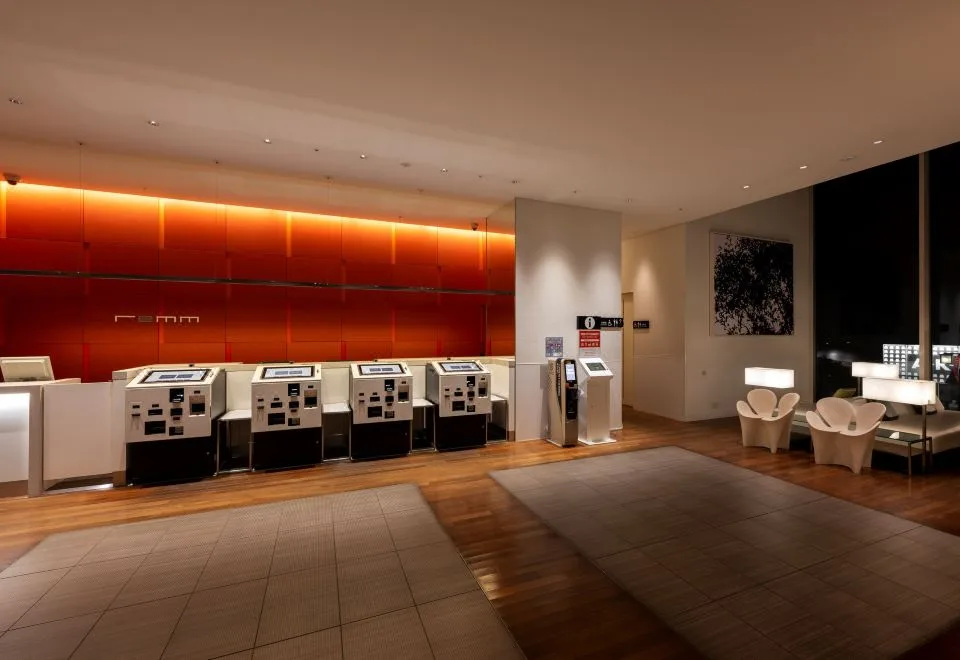
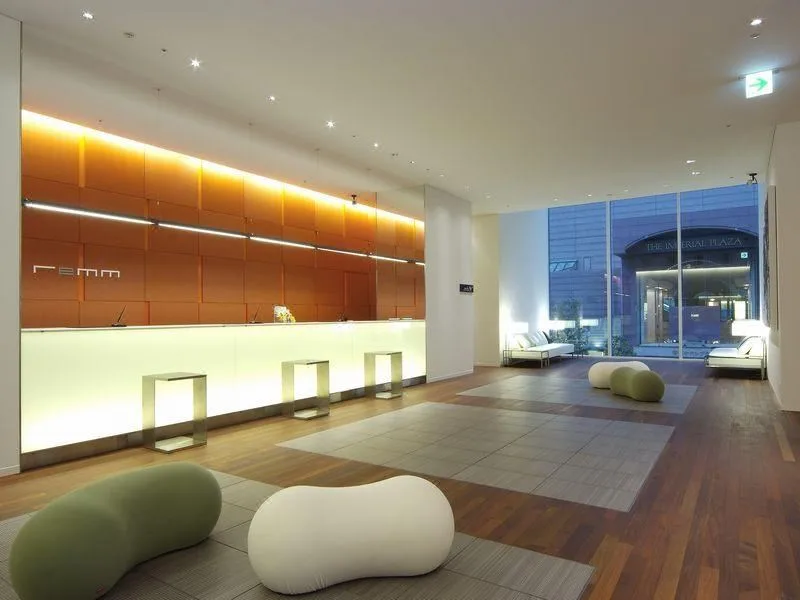
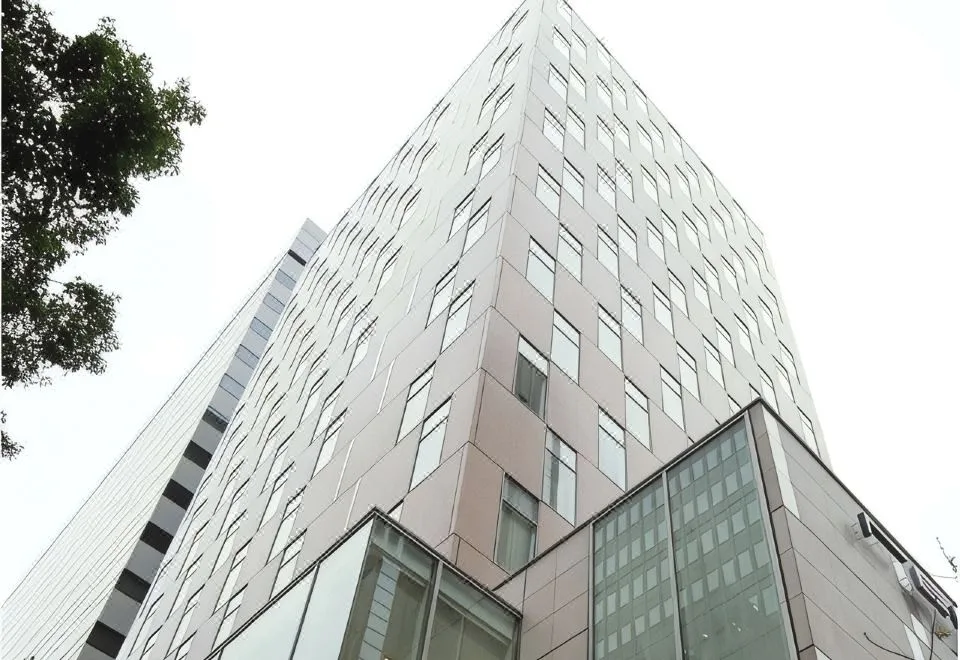
Hotel exterior and shared spaces
Facilities photographs
Pros and cons at a glance
Pros
- Hibiya Line exit A5 is about a 1-minute walk, Chiyoda Line exit A13 about 2 minutes, and JR Yurakucho Hibiya exit about 4 minutes; the Takarazuka Theatre, Tokyo Midtown Hibiya and Ginza are all within walking distance.
- The 2nd-floor ARCH HIBIYA serves a Japanese-Western breakfast buffet 7:00–11:00, last order 10:30, about ¥2,500 per adult including tax.
- Twin rooms have a bathtub, and Small Twin rooms have a massage chair.
- Large luggage, wheelchairs and strollers can use the A6 and A11 lift exits instead of hunting for a step-free route.
- Check-in is 14:00, check-out 12:00, and luggage can be stored before check-in.
Cons
- Single and Small Twin rooms are only 15㎡; two people sharing, with a large lift-up suitcase in the corridor, can end up blocking the door.
- Rooms facing the tracks can hear railway noise, so light sleepers should ask about orientation first.
- The windows are fixed, and air-conditioning comfort varies from person to person.
- Semi Double rooms are shower-only with no bathtub, and Small Twin rooms have no bathtub either; pick a Twin if you want a soak.
Information checked: 2026-11-18